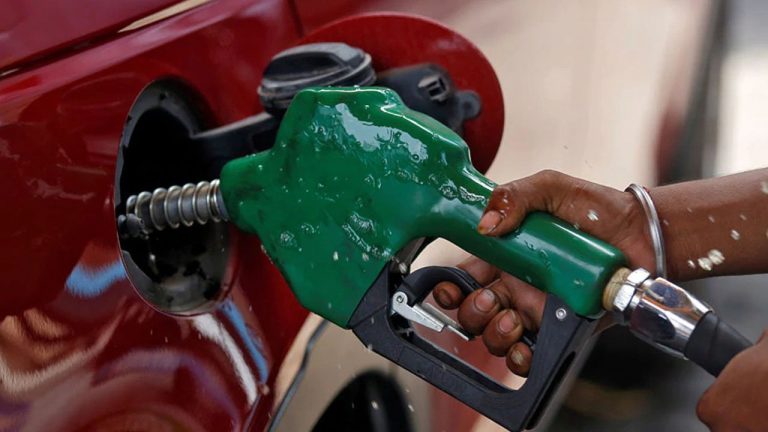
The price of petrol in Nigeria has increased by about 643 per cent over the past three years, rising from N175 per litre in May 2023 to around N1,300 per litre in May 2026.
The sharp increase followed the removal of fuel subsidies by President Bola Tinubu shortly after he assumed office in May 2023. The policy led to an immediate rise in fuel prices as the government ended years of subsidised petrol sales.
The situation was worsened by the depreciation of the naira after the government liberalised the foreign exchange market, making fuel imports more expensive and pushing pump prices higher across the country.
Although the Nigerian National Petroleum Company Limited initially sold petrol below its landing cost, the company later admitted it was absorbing losses to keep prices lower. Subsequent adjustments saw petrol prices climb above N1,000 per litre.
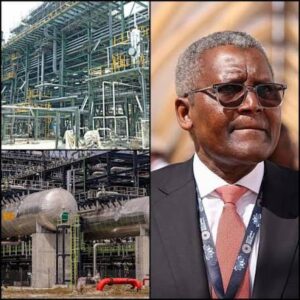
The launch of petrol production by the Dangote Petroleum Refinery in 2024 briefly eased pressure on consumers, with prices falling to between N800 and N900 per litre. However, recent tensions in the Middle East and disruptions in global oil supply have triggered another round of increases, pushing pump prices to between N1,300 and N1,400 per litre in many locations.
The rising cost of petrol has increased transportation fares and contributed to higher prices of food and other goods, adding to inflationary pressures across the economy.
Energy experts have urged the Federal Government to introduce targeted support measures, including cash transfers for vulnerable households, to help cushion the impact of rising fuel costs. Industry stakeholders have also called for interventions to reduce transportation costs and ease the burden on Nigerians.
Despite the concerns, the Federal Government has ruled out a return to fuel subsidies or the introduction of price controls, insisting that market-based pricing remains the best approach for the country’s economy.