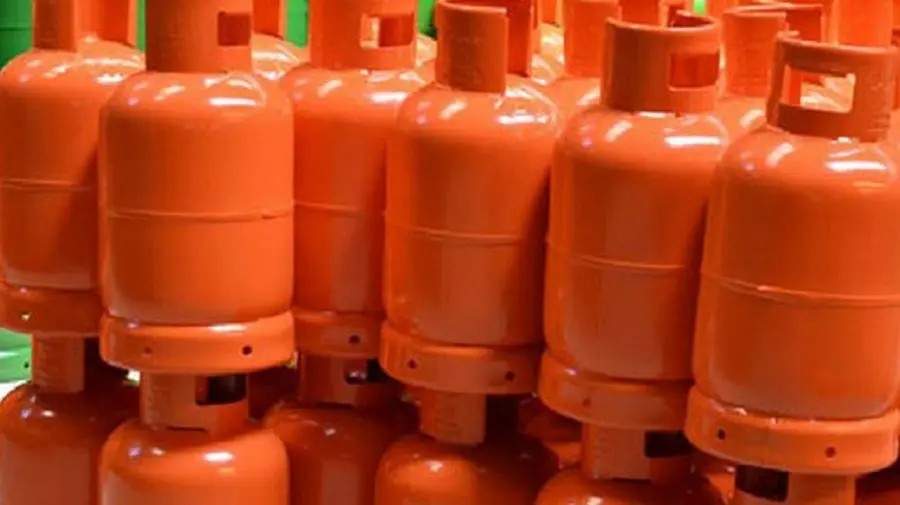
The Federal Government has reaffirmed that the export of Liquefied Petroleum Gas (LPG), commonly known as cooking gas, remains prohibited, dismissing concerns that local producers are prioritising foreign markets while Nigerians grapple with rising prices and supply shortages.
The clarification came amid complaints from gas retailers who alleged that some domestically produced LPG was being sold to buyers in neighbouring West African countries, contributing to scarcity in the local market.
Speaking on behalf of the Minister of State for Petroleum Resources (Gas), Ekperikpe Ekpo, the ministry’s spokesperson, Louis Ibah, said the export restriction remains fully in force and is being enforced by the Nigerian Midstream and Downstream Petroleum Regulatory Authority (NMDPRA).
According to him, local LPG producers are required to channel their supplies to the domestic market to support availability and help stabilise prices for consumers.
The government’s response follows growing concerns over the increasing cost of cooking gas and difficulties faced by retailers in securing supplies. Industry operators say product availability has worsened in recent weeks, with many retail outlets struggling to obtain sufficient stock.
The Chairman of the Liquefied Petroleum Gas Retailers Association, Ayobami Olarinoye, noted that access to LPG has become more challenging, forcing retailers to compete for limited volumes. He warned that prices could remain elevated unless supply conditions improve.
Olarinoye also urged the government to introduce incentives that would attract additional investment into the LPG sector and expand domestic production and distribution capacity.
Meanwhile, sources within the NMDPRA said efforts are ongoing to improve supply through collaboration with the Nigerian National Petroleum Company Limited and other stakeholders in the industry.
The regulator expressed optimism that supply conditions could improve in the coming months, citing expectations that a new gas processing facility being developed by Seplat will begin supplying LPG to the local market by July.
Beyond addressing immediate supply concerns, the Minister of State for Petroleum Resources (Gas) has also called for stronger measures to expand gas access nationwide.
Speaking at the Association of Local Distributors of Gas Business Forum 2026 in Abuja, Ekpo said Nigeria must focus on converting its vast natural gas reserves into tangible economic and social benefits for citizens.
Represented at the event by the Director of Midstream and Downstream, Ikenma Irene, the minister said Nigeria’s proven gas reserves exceed 209 trillion cubic feet, but stressed that true value lies in how effectively the resource is delivered to households, businesses and industries.
He identified inadequate infrastructure, weak distribution networks and limited market reach as key barriers preventing wider domestic gas utilisation.
Ekpo highlighted ongoing reforms under the Petroleum Industry Act and the government’s Decade of Gas initiative, noting that both programmes are designed to attract investment and accelerate growth across the sector.
He urged stakeholders to prioritise practical investments that would strengthen gas transportation and distribution networks while ensuring affordable and reliable access for consumers.
The minister added that sustained policy implementation, infrastructure development and collaboration between government and industry players would be essential to building a gas-driven economy capable of supporting industrial growth, job creation and improved energy security.