The United Arab Emirates is expected to raise its oil production above 5 million barrels per day next year as it accelerates efforts to expand output following its departure from OPEC, according to the latest assessment by the International Energy Agency (IEA).
In its report released on Wednesday, the agency projected that the UAE’s total oil production will reach approximately 5.2 million barrels per day in 2027, representing an increase of about 730,000 barrels per day from the previous year.
The forecast reflects the country’s strategy of expanding production capacity after ending its membership in OPEC earlier this year. Emirati authorities said the move was intended to allow greater flexibility in developing oil resources and increasing production without being subject to the cartel’s output limits.
The IEA noted that the UAE has significantly increased its production capabilities over the past decade. Crude oil production capacity has grown from roughly 3.1 million barrels per day in 2016 to nearly 4.4 million barrels per day in 2026. Additional capacity from condensates and natural gas liquids is estimated at around 1.1 million barrels per day.
The expansion is being driven largely by investments from the Abu Dhabi National Oil Company (ADNOC). The state-owned energy company recently announced plans to award projects worth 200 billion dirhams ($55 billion) between 2026 and 2028 to support its growth ambitions. ADNOC has also outlined capital expenditure plans totaling $150 billion over the 2026-2030 period.
UAE Energy Minister previously indicated that the country could potentially raise production capacity to as much as 6 million barrels per day if market conditions justify such an expansion, although he clarified that this is not an official target.
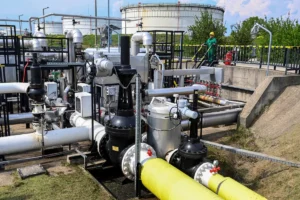
The IEA also highlighted the resilience of the UAE’s oil export infrastructure despite disruptions linked to the conflict involving Iran. Key facilities, including the Habshan-Fujairah pipeline and extensive storage facilities in Fujairah, have helped maintain export flows.
According to the agency, total oil exports increased by about 260,000 barrels per day in May to reach 3.1 million barrels per day, while crude production climbed to 2.8 million barrels per day.
The report further noted an increase in tanker movements along the Omani coastline with tracking systems switched off, a trend often referred to as “dark” shipping activity.
Meanwhile, ADNOC is speeding up construction of a new pipeline connecting western production areas to the eastern coast. The project is designed to increase export capacity through Fujairah and reduce reliance on the Strait of Hormuz. The company said the pipeline is about halfway completed and is expected to be operational in 2027.