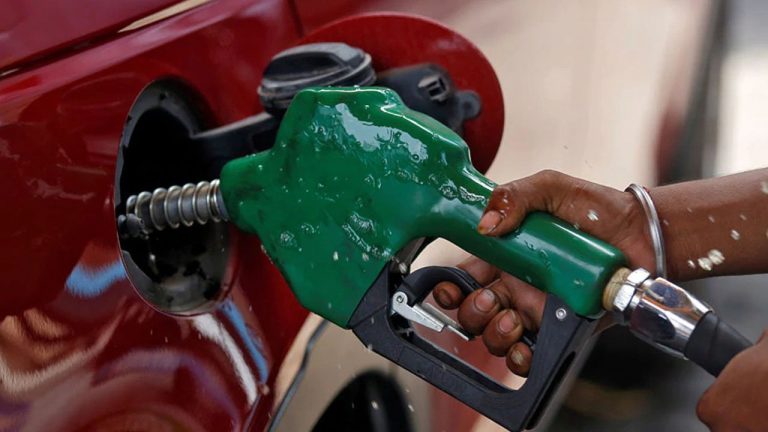
Petrol imports into Nigeria increased by nearly 60 per cent in May despite higher output from local refineries, according to the latest data from the Nigerian Midstream and Downstream Petroleum Regulatory Authority (NMDPRA).
The report showed that average daily petrol imports rose from 3.7 million litres in April to 5.9 million litres in May, representing a 59.5 per cent increase. During the same period, total petrol supply grew by 6.8 per cent to 47.4 million litres per day.
Domestic refineries remained the major source of supply, contributing 41.5 million litres per day in May, up slightly from 40.7 million litres recorded in April. However, crude oil deliveries to local refineries fell by 5.6 per cent, dropping from 612,000 barrels per day to 578,000 barrels per day.
The figures suggest that while local refining continues to meet most of the country’s fuel needs, imports are still being used to bridge supply gaps and maintain market stability.
Data from the first five months of 2026 showed a sharp reduction in fuel imports compared to January, when imported petrol averaged 24.8 million litres per day. By May, imports had fallen to 5.9 million litres per day, reflecting the growing role of domestic refining.
The report also showed strong growth in diesel production, with supply rising by 84.3 per cent to 18.8 million litres per day in May. All diesel supplied during the month came from local sources as imports dropped to zero.
Jet fuel supply increased from 2.6 million litres per day in April to 3.6 million litres per day in May, while cooking gas supply declined from 4.5 kilotonnes per day to 4.1 kilotonnes.
Despite higher supply levels, petrol consumption fell by 9.4 per cent to 46.3 million litres per day in May, while diesel consumption also declined slightly.
The increase in petrol imports comes amid reports of feedstock constraints and operational challenges at the Dangote Petroleum Refinery, underscoring the importance of maintaining steady crude oil supplies to domestic refineries as Nigeria seeks to reduce its dependence on imported fuel.