Nigeria burnt nearly 77 billion standard cubic feet of natural gas in the first five months of 2026, even as households and businesses continue to struggle with soaring cooking gas prices and energy supply challenges.
Data released by the Nigerian Upstream Petroleum Regulatory Commission (NUPRC) showed that oil and gas operators flared about 76.92 billion standard cubic feet of gas between January and May. The volume represents gas that could have been utilised for electricity generation, industrial activities, compressed natural gas projects, and domestic cooking gas supply.
According to the figures, gas flaring stood at 17.17 billion standard cubic feet in January before declining to 14.09 billion in February. March recorded 15.58 billion standard cubic feet, while April and May accounted for 14.52 billion and 15.58 billion standard cubic feet respectively.
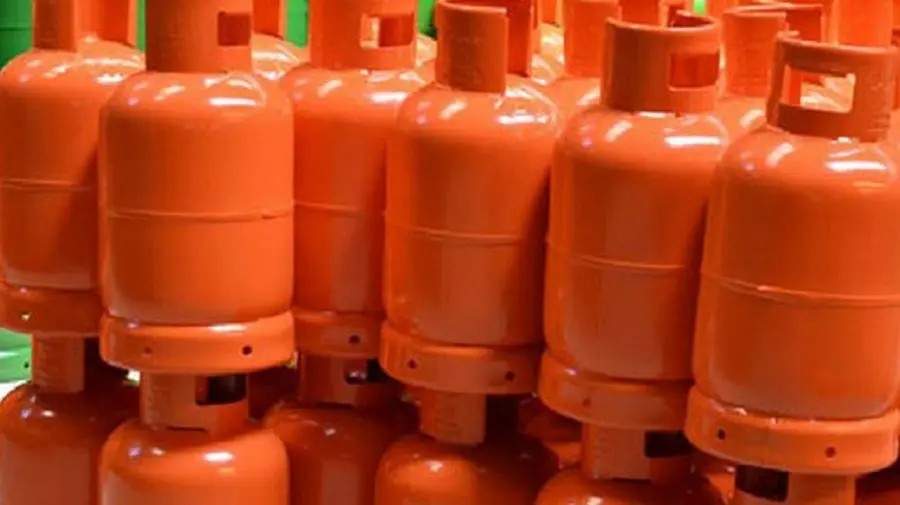
The continued flaring comes at a time when cooking gas prices have risen sharply across the country. Industry sources say the average cost of LPG increased from about N1,000 per kilogramme earlier in the year to as much as N2,400 in recent weeks.
Market operators also pointed to supply constraints, noting that domestic production has not been sufficient to meet local demand. Sources familiar with the sector said a recent reduction in LPG volumes from the Dangote Refinery was linked to internal operational needs rather than exports.
Despite possessing more than 200 trillion cubic feet of proven gas reserves, Nigeria still struggles to fully harness associated gas produced during crude oil extraction. Experts have repeatedly argued that reducing gas flaring would boost energy security, increase fuel availability, and support the government’s gas development agenda.
The NUPRC reported that average gas production reached 7.93 billion cubic feet per day in May, reflecting increased upstream activity. However, the regulator acknowledged that the country’s flare rate remained at about 6.9 per cent during the month.
The Federal Government has pledged to end routine gas flaring by 2030 through initiatives such as the Nigerian Gas Flare Commercialisation Programme and the Decade of Gas policy. The programme aims to convert gas that would otherwise be wasted into useful products including cooking gas, compressed natural gas, and feedstock for power generation.
The commission previously announced permits for successful investors under the gas commercialisation programme, with projections that the projects could attract about $2 billion in investments and capture up to 300 million standard cubic feet of gas daily.
Energy analyst and University of Lagos professor, , said Nigeria has introduced several policies and regulations to curb gas flaring but has yet to achieve the desired results.
He noted that while the Petroleum Industry Act and other gas-focused initiatives provide incentives for gas utilisation and impose penalties on flaring, implementation challenges continue to slow progress.
According to Ayoade, inadequate infrastructure remains a major obstacle. He explained that many oil-producing areas lack the pipelines, processing plants, compression facilities and transportation networks required to capture and commercialise associated gas.
He added that stronger regulatory enforcement, increased investment, and sustained collaboration between government agencies and industry operators would be necessary if Nigeria is to meet its target of ending routine gas flaring and fully unlock the economic value of its gas resources.
Environmental advocates have also warned that continued gas flaring contributes to greenhouse gas emissions and environmental damage, particularly in communities across the Niger Delta, underscoring the need for faster action to reduce the practice.