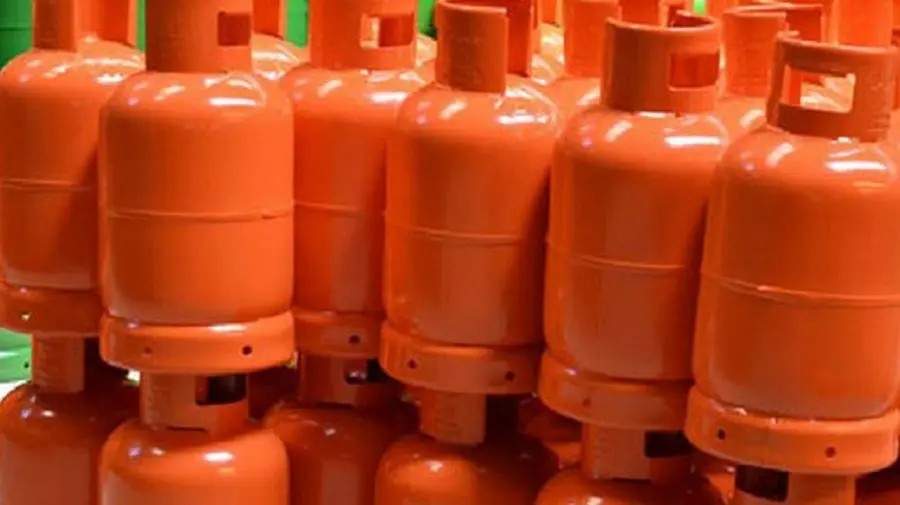
The Nigerian Midstream and Downstream Petroleum Regulatory Authority (NMDPRA) has blamed wholesalers and retailers for the sharp increase in cooking gas prices across the country, saying many marketers are charging prices that do not reflect actual supply costs.
The regulator made the disclosure during an emergency stakeholders’ meeting convened by the Ministry of Petroleum Resources to address rising liquefied petroleum gas (LPG) prices.
According to the NMDPRA, cooking gas currently sells for between N1,600 and N2,100 per kilogram in the South-West, significantly above the authority’s indicative price range of N1,018 to N1,177 per kilogram. Similar price disparities were recorded in other regions, with consumers in the North-Central paying between N1,550 and N1,950 per kilogram, while prices in the South-South range from N1,400 to N2,000 per kilogram.
The authority attributed the gap between official benchmarks and market prices to non-cost-reflective pricing by wholesalers and retailers, as well as infrastructure and distribution challenges affecting the supply chain.
NMDPRA also raised concerns about domestic LPG supply, noting that a substantial portion of locally produced cooking gas is being exported rather than supplied to the Nigerian market. It revealed that Chevron Nigeria exported all 148,222 metric tonnes of LPG it produced between January and May 2026, representing nearly 23 per cent of the country’s total output during the period.
The regulator further disclosed that Nigeria recorded a supply deficit of 91,966 metric tonnes between January and June 18, with total supply standing at 565,106 metric tonnes against a benchmark requirement of 657,072 metric tonnes.
NMDPRA warned that the country could face a larger supply gap in the third quarter if current challenges persist. It also identified the growing role of middlemen in the LPG market as a key factor driving up prices, saying traders now dominate purchases from producers, forcing terminal operators to buy products through intermediaries.
To address the situation, the authority said it has begun audits and enforcement actions aimed at enabling more terminal operators to purchase directly from producers. It added that ongoing efforts to improve imports, strengthen product tracking and expand gas infrastructure are expected to support supply and stabilise prices in the coming months.