Ahead of the group’s 49th annual conference (NAICE 2026), holding August 3–5 in Lagos, council chairman Francis Nwaochei argued that awarding new oil blocks means little without the machinery to turn them into producing wells. Speed of execution, investment mobilization, technology uptake, and the strength of local operators will matter far more than the volume of licenses handed out, he said.
Nwaochei, who is also Deputy General Manager for Partners Relations and Regulatory Affairs at Chevron Nigeria, framed this year’s conference theme, built around resilience and collaborative growth, as a direct response to a fast-shifting global energy landscape. He said African producers can no longer treat energy security and environmental responsibility as separate goals, and that resilience should now be understood as a growth strategy rather than just a defensive one, helping the continent draw investment while cutting costs and widening energy access.
He pointed to Nigeria’s completed 2025 licensing round, run by the Nigerian Upstream Petroleum Regulatory Commission, as a genuine step forward, praising the process as transparent and market-driven under the Petroleum Industry Act. But he was blunt that the licensing round is just the starting gun, not the race itself. Converting freshly awarded blocks into flowing barrels will demand faster technology rollout, sharper reservoir management, and disciplined capital deployment.
Indigenous producers are increasingly carrying that load. As international oil majors continue exiting onshore and shallow water assets, local companies now handle roughly 60 percent of the country’s crude output, Nwaochei noted, meaning their operational and financial discipline will largely dictate whether Nigeria’s production goals are met, especially as they inherit aging infrastructure and decommissioning responsibilities.
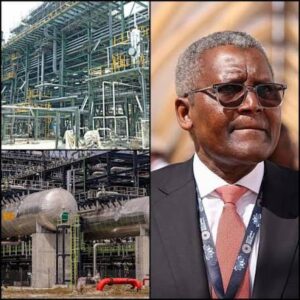
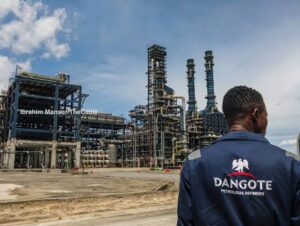
Domestic refining capacity is the other piece of the puzzle, he added, with large scale and modular refining projects offering a path toward making Nigeria a regional refining hub, assuming the government can strike a workable balance between guaranteeing local crude supply and keeping prices commercially viable for producers.
Other SPE leaders used the run up to the conference to speak to the industry’s next generation. Council Secretary Obianuju Igbokwe encouraged young professionals to pair technical training with deliberate personal growth, urging them to study the habits of professionals they respect and shape their own reputations accordingly. SPE Chief of Staff Choja Ojanomare, meanwhile, described NAICE itself as a decades long institution rather than a single yearly event, a nearly 50 year meeting point for government, regulators, and industry that has helped shape Nigerian petroleum policy over time.