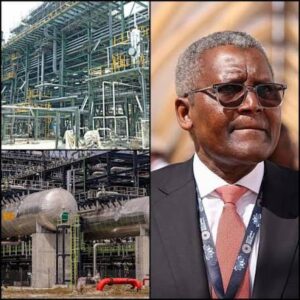
Petroleum marketers have backed President Bola Tinubu’s plan to revive Nigeria’s three government-owned refineries, rejecting former President Olusegun Obasanjo’s position that the facilities may never become viable again.
The support came from the Petroleum Product Retail Outlet Owners Association of Nigeria (PETROAN) and the Independent Petroleum Marketers Association of Nigeria (IPMAN) as debate continues over the future of the Port Harcourt, Warri and Kaduna refineries.
PETROAN National President, Billy Gillis-Harry, said Nigeria should not abandon the refineries because previous rehabilitation efforts failed. He argued that the age of the facilities was not enough reason to write them off, pointing to older refineries in other parts of the world that remain operational.
Gillis-Harry, however, acknowledged concerns over the huge amounts previously spent on turnaround maintenance without achieving sustained production.
He said the latest effort could succeed if the government maintained tighter financial controls and engaged competent technical partners to manage the facilities.
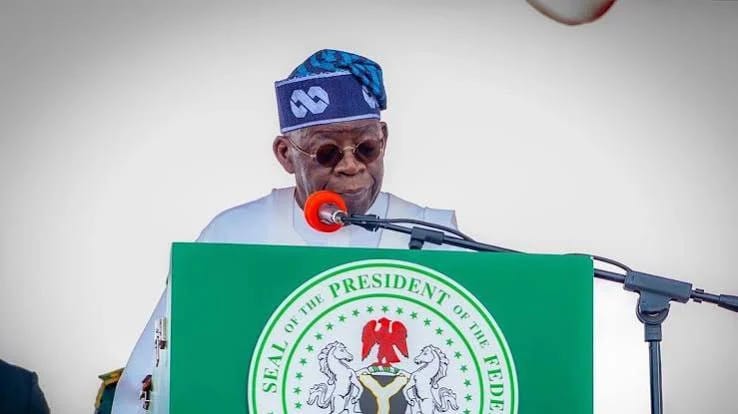
Tinubu recently reaffirmed his commitment to bringing the refineries back into operation, but stressed that their success would be measured by profitability rather than simply producing fuel.
The President said he had accepted responsibility for the assets inherited from previous administrations and was determined to ensure they deliver value to Nigerians.
Obasanjo has taken a different position, arguing that government ownership and management of the refineries have repeatedly failed. He has advocated public-private partnerships as a better model for managing major national assets.
The former President cited the Nigeria Liquefied Natural Gas project as an example of the benefits of private-sector participation. He also recalled previous attempts to attract investors into the refineries, saying billions of dollars had been spent on rehabilitation without achieving lasting results.
Despite this, IPMAN National Vice President, Hammed Fashola, said the current rehabilitation strategy was different from previous attempts.
According to him, the involvement of an engineering consortium that is expected to provide funding and take a controlling management interest gives the programme a better chance of succeeding.
Fashola said Obasanjo’s concerns were understandable because of the history of failed turnaround maintenance projects, but maintained that a new approach could produce a different result.
Energy expert Dan Kunle disagreed with the marketers, calling on the Federal Government to stop using public funds to rehabilitate the ageing refineries and privatise the facilities instead.
Kunle argued that government resources could be better deployed to other areas of the energy sector, including oil and gas infrastructure and upstream development.
The Tinubu administration now faces the task of proving that its latest attempt can overcome the technical, financial and management problems that have frustrated previous efforts.
For the refineries to be considered successful, stakeholders say they must not only resume production but also operate efficiently and generate sustainable profits.