Nigeria earned more from non-crude exports than crude oil exports in the second quarter of 2026, marking a notable shift in the country’s export earnings.
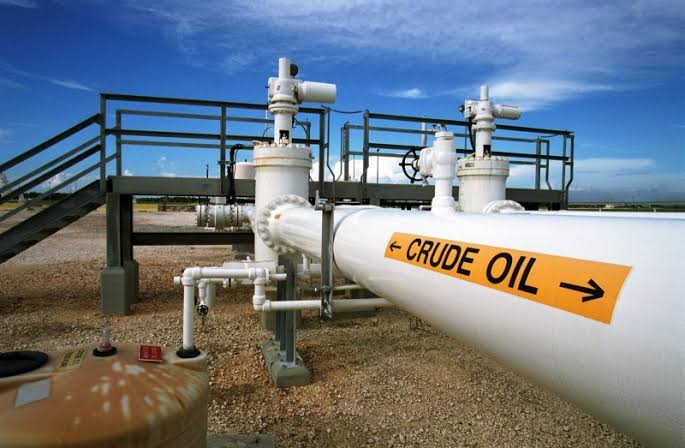
Data from the National Bureau of Statistics showed that non-crude exports were valued at N14.11 trillion during the quarter, higher than the N12.91 trillion recorded from crude oil exports.
The development comes as Nigeria’s foreign exchange reserves climbed above $55 billion, giving the country a stronger external buffer amid ongoing efforts to improve its foreign exchange position.
The increase in non-crude export earnings was supported by higher shipments of refined petroleum products, natural gas, urea and other commodities.
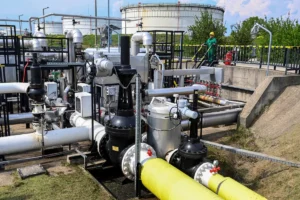
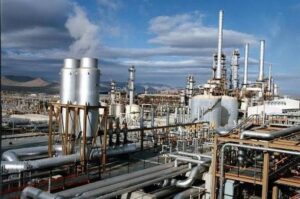
The growth also highlights the increasing role of domestic refining in Nigeria’s export sector, particularly following the expansion of the Dangote Refinery.
For decades, Nigeria has relied heavily on crude oil exports for foreign exchange earnings and government revenue, while importing large volumes of refined petroleum products to meet domestic demand.
The expansion of local refining capacity is changing that pattern by allowing more crude to be processed domestically into products that can be consumed locally or exported to international markets.
However, petroleum-related products still account for a significant share of Nigeria’s non-crude export earnings. Sustaining the shift will therefore require stronger contributions from agriculture, manufacturing and other sectors outside the petroleum industry.
The rise in foreign reserves above $55 billion also provides the Central Bank of Nigeria with greater capacity to meet external obligations and respond to pressures in the foreign exchange market.
The development follows a September 18 memorandum of understanding between the Federal Government and the CBN aimed at improving coordination on inflation, economic growth, government financing, liquidity management and foreign exchange conditions.
The agreement also covers improved economic data sharing and efforts to address challenges affecting production, food, energy and logistics costs.
Maintaining the improvement in Nigeria’s external position will depend on continued growth in production, stronger export diversification and policies that support businesses across the wider non-oil economy.