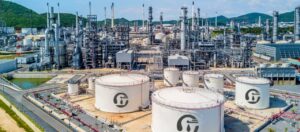
Petroleum marketers are considering a reduction in petrol pump prices following a cut in the gantry price of Premium Motor Spirit by Dangote Refinery.
The refinery reduced its petrol price by N25 per litre to N1,325 on Monday, following a decline in global crude oil prices. The move came after more than two weeks of rising petrol prices across the country.
The latest development has raised expectations that retail prices could also fall as marketers review their costs and margins.
The Nigerian Midstream and Downstream Petroleum Regulatory Authority had scheduled a consultation with refiners, depot owners, fuel marketers and retailers to discuss pricing and competition in the petroleum market.
The meeting is being held in line with provisions of the Petroleum Industry Act and the Federal Competition and Consumer Protection Act.
The discussions come as petrol prices in some parts of the country had climbed to between N1,395 and N1,450 per litre.
At the international market, Brent crude was trading around $100.50 per barrel, while West Texas Intermediate stood at about $92.43, after both benchmarks declined by more than 3 per cent.
The lower crude prices are expected to ease some of the pressure on petroleum product costs, although the impact on pump prices will also depend on exchange rates, transportation, operating expenses and marketers’ margins.
National President of the Petroleum Products Retail Outlets Owners Association of Nigeria, Billy Gillis-Harry, said marketers would consider the interests of consumers during the consultation and would not rule out a reduction in petrol prices.
He, however, dismissed calls for petrol to sell at N500 per litre, saying such a price would not reflect the current cost of refining, logistics and retail distribution.
The call for a N500 petrol price was made by civil servants under the Joint National Public Service Negotiating Council, who asked the Federal Government to either reduce petrol to that level or increase the minimum wage to N500,000.
With Dangote Refinery already reducing its gantry price, the outcome of the government’s consultation with industry stakeholders could influence how much consumers pay for petrol in the coming days.