The Crude Oil Refiners Association of Nigeria (CORAN) has backed the Federal Government’s plan to sell crude oil to local refineries through forward contracts but raised concerns about the proposed N1,350-per-litre petrol price cap.
CORAN said the arrangement could help refineries secure a steady supply of crude oil and reduce the impact of changes in international oil prices. However, it called for clear pricing rules and equal access for all domestic refiners.
The association’s position comes as petrol prices in Abuja have risen to about N1,410 per litre, above the government’s proposed N1,350-per-litre limit for ex-gantry costs.
The Federal Government is considering the price ceiling under a plan to protect consumers from sharp increases in global crude oil prices and foreign exchange costs. Under the proposal, refiners and importers would initially bear costs above the limit and recover the difference when market conditions improve.
CORAN spokesperson, Eche Idoko, said forward crude sales could work if the government clearly explained how the scheme would operate, including the volume of crude available, pricing arrangements and existing supply commitments.
He also urged the government to ensure that smaller and modular refineries benefit from the plan instead of limiting access to major operators.
Idoko, however, questioned how the N1,350 price cap was determined and who would cover the difference if production costs exceeded the limit.
He warned that without a clear plan for recovering such costs, the policy could bring back price controls or hidden fuel subsidies.
The association maintained that improving crude oil production, ensuring reliable supplies to local refineries and reducing refining costs would be more sustainable ways to manage petrol prices.
The debate comes after the Minister of Finance and Coordinating Minister of the Economy, Taiwo Oyedele, explained that Nigeria’s daily crude oil production of about 1.8 million barrels did not mean the entire volume was available for domestic allocation.
According to Oyedele, production-sharing contracts, joint-venture agreements, royalties and production costs reduce the amount of crude available to the Federal Government.
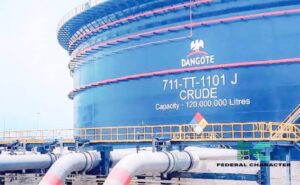
He recently said Nigeria had less than 700,000 barrels of uncommitted crude available for allocation, including supplies to the Dangote Refinery