Amid Nigeria’s ongoing fuel subsidy removal and downstream sector deregulation, major global and local players have called on regulatory agencies to step up protections for consumers and ensure a level playing field in the rapidly evolving energy market.
This call was made during the 2025 Second Quarterly Press Webinar and Engagement hosted by the Major Energies Marketers Association of Nigeria (MEMAN), themed “Fair and Healthy Competition in the Nigerian Market.”
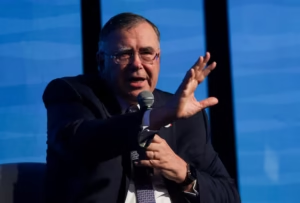
Speaking at the session, World Bank Senior Economist for Nigeria, Samer Matta, noted that “many sectors in the country are highly concentrated” and urged regulators to “strengthen enforcement frameworks and build internal capacity for competitive assessments.”
Matta highlighted that effective competition drives down prices and boosts innovation, benefiting both households and businesses.
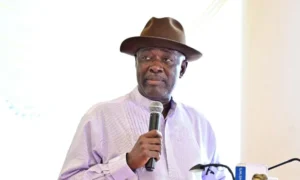
Also weighing in, Francis Anatogu, inaugural Executive Secretary of the African Continental Free Trade Area (AfCFTA) and CEO of Transaharan, said, “Competition fosters innovation and expands consumer choice,” adding that regulators must define “clear dominance thresholds, ensure transparent market access, and protect SMEs.”
Anatogu emphasized the importance of “accessible complaint channels and timely resolution mechanisms” to guard against monopolistic practices in the sector.
MEMAN Chairman and NNPC Retail MD, Huub Stokman, said deregulation presents new opportunities but warned that “maintaining fair and open competition is critical.”
He called on agencies such as the Federal Competition and Consumer Protection Commission (FCCPC) and the Nigerian Midstream and Downstream Petroleum Regulatory Authority (NMDPRA) to enforce oversight and support innovation to prevent consumer exploitation.
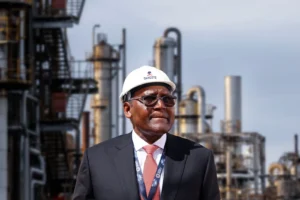
The speakers also cautioned that large-scale infrastructure like the Dangote Refinery, while promising efficiency, could lead to dominance if not well-regulated.
MEMAN CEO, Clement Isong, spotlighted the rise in Compressed Natural Gas (CNG) adoption in fuel distribution, noting that it could “cut costs by up to 40 percent.” However, he warned of potential imbalance, saying “uneven infrastructure access could give certain players an outsized advantage.”
Isong urged regulators to “ensure broad-based access to CNG infrastructure” and encouraged energy marketers to explore innovations like solar-powered stations and shared logistics to boost efficiency while keeping competition fair.
The webinar concluded with a joint call for strong governance, transparent enforcement, and continued collaboration between government, regulators, and the private sector to ensure the full benefits of deregulation reach Nigerian consumers.
“Effective competition doesn’t just protect consumers,” said Matta. “It fuels job creation and economic resilience.”