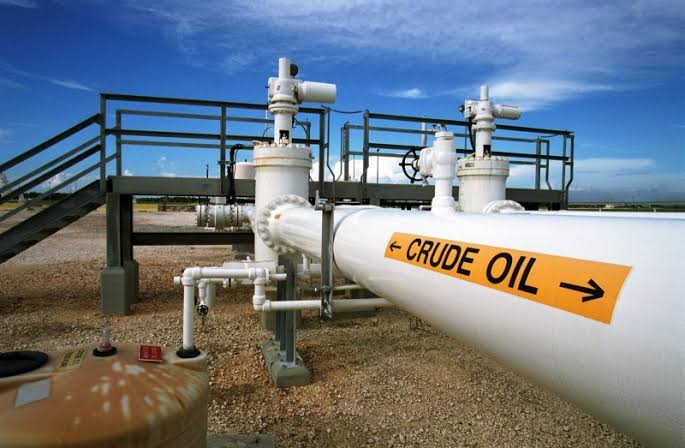
The Dangote Petroleum Refinery, Africa’s largest, is increasingly depending on crude oil imports from the United States due to shortages in domestic supply. The refinery, with a 650,000-barrel-per-day capacity, is projected to import a total of 17.65 million barrels of crude oil between April and July 2025, starting with 3.65 million barrels already received in the past two months.
Aliko Dangote, President of the Dangote Group, revealed the challenge during a visit from the Technical Committee of the One-Stop Shop (OSS) for the sale of crude and refined products in naira. “Due to a shortage of domestic crude oil, the refinery has increasingly relied on imports from the United States to meet its needs in recent months,” the statement said.
Dangote praised the Federal Government’s naira-for-crude swap policy, noting its positive impact on reducing petroleum product prices and stabilizing the local currency. However, the refinery continues to face supply constraints, prompting the surge in imports from the US, particularly West Texas Intermediate (WTI) Midland grade.
Mrs. Maureen Ogbonna, OSS Technical Committee Coordinator, called the $20 billion refinery “a symbol of the industrial revolution” and praised its broad economic impact. “From pharmaceuticals to construction, food to plastics, this project is transformational,” she said.
The refinery’s preference for US crude is linked to its optimized design for processing light sweet crude oil, which is cheaper and easier to refine. Analysts say WTI crude offers better yields and blending advantages compared to some Nigerian crude grades, which face supply disruptions and infrastructure challenges.
Data from maritime tracking firms show that 21 oil vessels delivered over 3.65 million barrels of US crude to the refinery between April and May, with more shipments expected through July.
Dangote remains committed to the refinery’s role in Nigeria’s industrialization, emphasizing that “building the refinery required extensive infrastructure development” and the facility can meet 100% of Nigeria’s domestic demand for key petroleum products.
The refinery’s growing reliance on US imports raises questions about domestic crude production and crude-for-naira allocations. Despite this, the company affirmed that fuel prices would remain stable thanks to the government’s support. “We are immensely grateful to President Bola Tinubu for making this possible through the commendable naira-for-crude initiative,” said Group Chief Branding and Communications Officer, Anthony Chiejina.