The Nigerian National Petroleum Company (NNPC) is aiming to increase the country’s oil production limit by 25% by 2027, hoping to boost daily output from 1.5 million to 2 million barrels. When you include condensates, the total target jumps to around 2.4 million barrels a day.
This move isn’t just about big numbers—it could directly impact the lives of everyday Nigerians. With more oil being processed locally, there’s a chance we could see better fuel availability, reduced import costs, and more jobs across the energy sector.
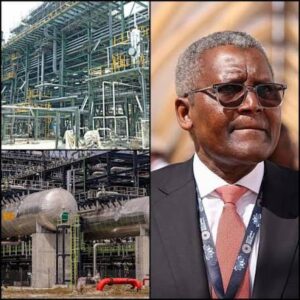
According to NNPC’s Group CEO, Bashir Ojulari, the country now has stronger refining capacity, thanks to major projects like the 650,000 bpd Dangote refinery and smaller modular refineries in development. These are expected to help Nigeria rely less on fuel imports and handle more of its crude oil right here at home.
Ojulari also mentioned that Nigeria is addressing the issues that have made it hard to meet past OPEC quotas—things like outdated infrastructure and underinvestment.
Whether this higher quota is approved will depend on OPEC+, the organization that regulates oil output across member countries. But with growing domestic demand and more in-country processing, NNPC believes Nigeria is in a good position to make its case.
If approved, this could bring ripple effects across the economy—from more stable fuel prices to new opportunities in oil and gas.