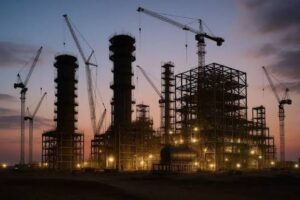
Joseph Obele, the National Publicity Secretary of the Petroleum Products Retail Outlets Owners Association of Nigeria (PETROAN), has raised concerns over the Nigerian National Petroleum Company Limited’s (NNPC) decision not to sell the Port Harcourt refinery.
Speaking as both an industry representative and a Port Harcourt community stakeholder, Obele expressed disappointment with the stance taken by NNPC’s Group CEO, Bayo Ojulari, who recently confirmed that the facility would remain under government control.
Obele argued that NNPC’s history of poor management, corruption, and inefficiency has contributed to ongoing fuel scarcity and economic strain. He believes handing over the refinery to private investors would lead to better operations, community development, and overall transparency.
“Privatisation of the Port Harcourt refinery is in the country’s best interest,” Obele said, highlighting benefits such as improved productivity, fresh investments, job creation, and stronger accountability. He also pointed to the success of private firms like Indorama Petrochemical as examples of how host communities stand to gain more under private management.
He urged President Bola Tinubu to reconsider the decision and push for the sale of the refinery to capable private hands, assuring that the Port Harcourt community is ready to welcome new investors with full cooperation.
Meanwhile, the NNPC has maintained that its decision was based on an ongoing technical and financial review of its refinery operations in Port Harcourt, Kaduna, and Warri. Ojulari explained that selling the Port Harcourt plant could lead to a significant loss of value, and that completing the high-grade rehabilitation through advanced partnerships was a better option.
This announcement came shortly after the NNPC CEO’s remarks at the 2025 OPEC Seminar in Vienna, where he previously suggested that “all options were on the table.”
The Port Harcourt refinery has been out of operation since late May, despite initial plans for only a month-long shutdown. This prolonged closure has added to public concerns over the future of the facility and Nigeria’s refining capacity.
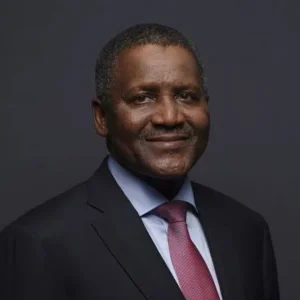
In a related remark, billionaire industrialist Aliko Dangote recently claimed that the country’s refineries, after consuming billions of dollars in rehabilitation funds, may never function effectively again.