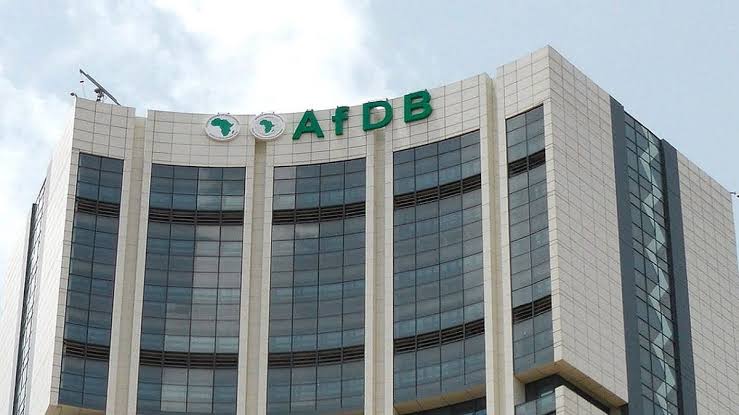
Plans to launch the long-awaited $5 billion Africa Energy Bank are hanging by a thread, as a row between the African Petroleum Producers Organisation (APPO) and the African Export-Import Bank (Afreximbank) deepens over when capital contributions should be released.
Afreximbank has warned that the delay in transferring equity subscription funds is jeopardising the entire project, cautioning that without the money in the bank’s designated account, the institution cannot be formally established, pioneer shareholders cannot be confirmed, and key appointments — including the election of the president — cannot be made.
The standoff stems from APPO’s insistence that the funds, currently held in escrow, will only be released after a formal launch date is set, the bank’s headquarters location is secured, and a president is appointed. Afreximbank has called that position a “mistake” and stressed that paying the funds upfront is a prerequisite under the AEB charter.
According to the bank, the delay risks damaging the credibility of what is meant to be a landmark institution for Africa’s energy sector. Afreximbank’s board has already approved a matched investment of up to $750 million in equity to be paired with APPO member states’ contributions.
APPO had asked each of its 18 members to contribute $83 million, aiming for an initial $5 billion capital base. Nigeria, Angola and Ghana have met their commitments, and several others — including Algeria, Benin, Congo, Equatorial Guinea and Ivory Coast — have pledged payments. However, only 44 per cent of the required capital from APPO members has so far been secured.
A roadmap proposed by Afreximbank sets tight deadlines: shareholder funds paid into the account by July 20, the AEB president appointed by August 29, and a formal launch no later than September 30. But with no agreement in sight and APPO Secretary-General Omar Farouk Ibrahim set to retire by year-end, concerns are growing that Africa’s flagship energy bank could remain on the drawing board.
The AEB is intended to fill a financing gap left by global lenders pulling back from oil and gas projects, providing capital for Africa’s energy development on African terms. But unless the funding deadlock is broken, that vision could be indefinitely postponed.