The Presidential Fiscal Policy and Tax Reforms Committee has reassured Nigerians that the planned 5% fuel surcharge under the new tax framework will not impact essential household energy products.
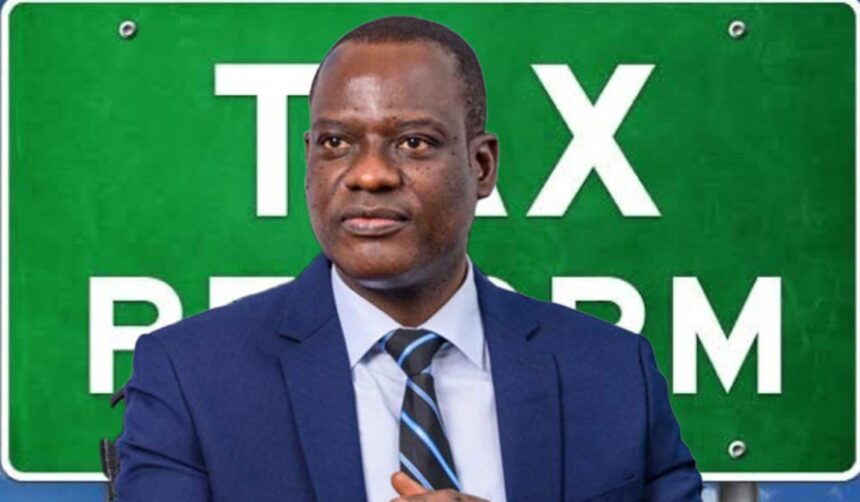
In a statement shared on X (formerly Twitter), Committee Chairman Taiwo Oyedele clarified that kerosene, cooking gas (LPG), compressed natural gas (CNG), and renewable energy products are exempt from the levy. The exemption aligns with Nigeria’s ongoing energy transition objectives.
Oyedele further explained that the surcharge will not be automatically applied when the new tax laws take effect on January 1, 2026. Implementation will only occur after an official directive from the Minister of Finance is published in the Official Gazette, in accordance with Chapter 7 of the Nigeria Tax Act, 2025.
The committee noted that while the removal of petrol subsidies contributes to road development funding, the resources are insufficient to address Nigeria’s infrastructure needs. The fuel surcharge is intended to create a dedicated fund for road construction and maintenance, aiming to improve travel safety, reduce commute times, and lower logistics and vehicle maintenance costs.
“This approach is widely practiced globally, with more than 150 countries imposing fuel-related levies ranging from 20% to 80%,” the committee added.
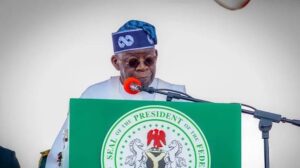
The 5% fuel levy forms part of a broader tax reform package signed into law by President Bola Tinubu in June 2025. The package includes four bills, such as the Nigeria Tax Bill and the Nigeria Revenue Service (Establishment) Bill, all of which will become effective at the start of 2026 following extensive stakeholder consultations.