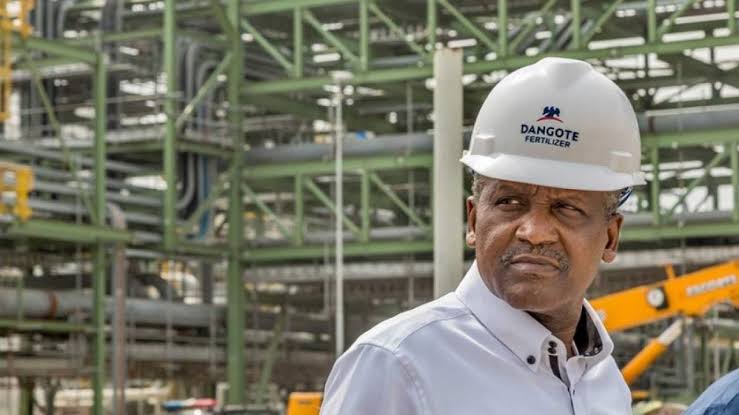
A leading international labour body has waded into the crisis rocking the Dangote Petroleum Refinery, condemning the dismissal of hundreds of workers and demanding their immediate reinstatement.
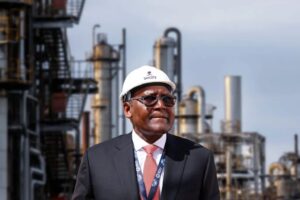
IndustriALL Global Union, a Geneva-based organisation representing millions of workers worldwide, accused the refinery of running an “anti-union campaign” that undermines labour rights in Nigeria’s oil and gas sector. In a letter addressed to Aliko Dangote, President of the Dangote Group, the union alleged that the refinery had engaged in intimidation, misinformation, and union-busting tactics aimed at discouraging employee membership in trade unions.
The group’s General Secretary, Atle Høie, described the sacking of 800 engineers shortly after they joined the Petroleum and Natural Gas Senior Staff Association of Nigeria (PENGASSAN) as an outright violation of worker rights. He insisted the company must reverse the decision and stop practices that threaten social dialogue and collective bargaining structures in the industry.
IndustriALL expressed solidarity with PENGASSAN and the ongoing nationwide strike, which has already disrupted fuel supply and reduced power generation across the country. According to the union, the dismissals not only violate Nigeria’s constitution and labour laws but also breach international conventions and agreements signed by the company.
The global body reminded Dangote of a Memorandum of Understanding reached with the Nigeria Union of Petroleum and Natural Gas Workers (NUPENG) earlier in September, under the supervision of the Federal Ministry of Labour and with the backing of the Nigeria Labour Congress (NLC). That deal, it noted, included commitments to respect workers’ rights and uphold labour standards.
IndustriALL criticised Dangote for allegedly launching a campaign of intimidation almost immediately after the agreement was signed. It urged the refinery to reinstate the affected workers with full benefits, honour existing agreements, and embrace transparent negotiations on future workforce decisions.
The intervention comes at a time of heightened industrial tensions, with Nigerian unions threatening wider mobilisation if the dispute remains unresolved.