Kuwait is preparing to invite foreign investors into a major $7 billion oil pipeline project, signalling a strategic shift away from exclusive state financing as the country looks to expand production capacity while easing pressure on public finances.
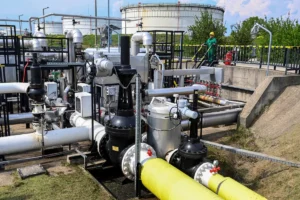
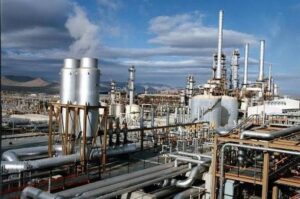
According to information reported by Reuters, the project is being developed by the state-owned Kuwait Oil Company and is designed to upgrade pipeline infrastructure linking oil fields to export terminals and processing facilities. The initiative forms part of Kuwait’s broader effort to modernise its midstream network and prevent bottlenecks as output rises.
The plan represents a notable policy change for Kuwait, which has traditionally relied on government funding to build and maintain oil infrastructure. By opening the pipeline project to international partners, authorities aim to accelerate investment without significantly increasing public spending.
The pipeline expansion supports Kuwait’s long-term goal of lifting crude oil production capacity to around four million barrels per day later this decade. Officials see improved transport infrastructure as critical to sustaining higher output levels, accommodating new discoveries, and enhancing recovery from existing fields.
Kuwait also plans to invest about $4 billion in oil exploration by 2030, targeting both new reserves and improved production efficiency. Much of the country’s remaining resource potential lies in conventional onshore and shallow offshore fields, areas where existing infrastructure can be expanded rather than built from scratch.
While details on ownership structure, returns for investors, and project timelines have not yet been disclosed, officials have indicated that attracting foreign capital is becoming increasingly important as national oil companies balance ambitious expansion plans with fiscal constraints.
The pipeline project is expected to rank among Kuwait’s largest energy infrastructure developments in recent years and reflects a wider trend across the Gulf, where governments are increasingly turning to external financing to sustain long-term oil production growth.