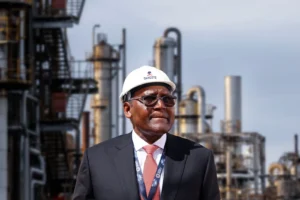
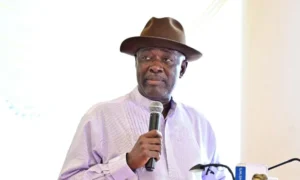
Nigeria is making significant progress toward ending its reliance on imported petroleum products, thanks to major reforms in the downstream oil sector, the Chief Executive of the Nigerian Midstream and Downstream Petroleum Regulatory Authority (NMDPRA), Saidu Mohammed, has said.
Speaking at the 2026 Nigerian International Energy Summit in Abuja, Mohammed said the country is moving from full dependence on imports to domestic refining, with the long-term goal of becoming a net exporter of petroleum products. He revealed that these reforms helped Nigeria save over N6 trillion in fiscal and foreign exchange losses in the first nine months of 2025.
“The combined effect of full deregulation, harmonised forex policies, gas incentives, and trading crude and products in naira has drastically reduced the cost of import dependence,” Mohammed said. He noted that these measures are reversing decades of inefficiency in the sector and stabilising fuel supply across the country.
Mohammed highlighted that the operationalisation of the Petroleum Industry Act has created a fully liberalised downstream market, attracting investor confidence and enabling pricing to reflect market fundamentals. He stressed that domestic refineries, including NNPC’s facilities, are being revived, and new licences have been issued, opening opportunities not just in Nigeria but across West Africa.
Beyond liquid fuels, Mohammed said Nigeria is expanding gas-based alternatives to become a continental energy hub. He pointed to gas for power generation, industrial development, transport fuels, fertilisers, and manufacturing as central to the country’s energy strategy.
The NMDPRA chief also emphasised the importance of conserving foreign exchange for macroeconomic stability. “The energy sector should be a builder of foreign exchange, not an avenue for eroding it,” he said, underlining the role of regulatory credibility in sustaining investor trust.
Mohammed called for collaboration among government, investors, operators, and consumers to maintain the momentum of downstream reforms and position Nigeria as Africa’s leading energy producer.