The Nigerian National Petroleum Company Limited has revealed that Nigeria spent about ₦13.2 trillion on its three government-owned refineries between 2023 and 2024, even though the facilities failed to operate profitably.
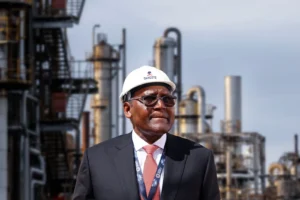
The disclosure was made by NNPC’s Group Chief Executive Officer, Bashir Bayo Ojulari, who admitted that the refineries had become a heavy financial burden on the country.
Speaking at the Nigeria International Energy Summit 2026 in Abuja, Ojulari said the Port Harcourt, Warri and Kaduna refineries recorded huge losses despite years of spending on repairs, maintenance and operations.
According to NNPC’s financial records, the refineries owed the company ₦4.52 trillion in 2023. By the end of 2024, the debt had risen to ₦8.67 trillion, bringing total spending over the two years to about ₦13.2 trillion.
Ojulari explained that crude oil was supplied regularly to the refineries, but they operated at low capacity and failed to generate enough revenue to cover costs. He said the situation amounted to wasting public funds.
The NNPC boss acknowledged public anger over the refineries, noting that Nigerians had expected local refining to reduce fuel shortages and import costs after the huge investments.
A breakdown of the figures shows that the Port Harcourt refinery accounted for the largest share of the spending, followed by the Warri and Kaduna refineries, all of which continued to depend entirely on NNPC funding.
Ojulari said the lack of a clear path to recovery forced the new management to shut down the refineries to prevent further losses and reassess their future.
Despite calls from industry players to sell off the refineries, Ojulari insisted that the facilities could still be revived.