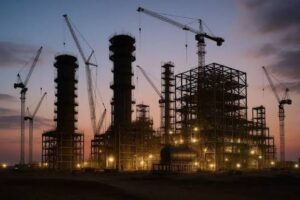
The Federal Government has begun efforts to secure crude oil from international traders for the Dangote Petroleum Refinery in a move aimed at sustaining domestic refining and stabilising fuel supply.
Officials familiar with the development said the Nigerian National Petroleum Company Limited is leveraging its global trading network to source third-party crude for the Lekki-based refinery as local supply remains insufficient.
However, industry sources say the move may not immediately bring relief to Nigerians already grappling with rising petrol prices across the country.
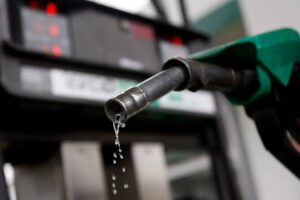
The development comes after the Dangote refinery recently increased its gantry price of Premium Motor Spirit, also known as petrol, from about N774 per litre to around N995 per litre. The adjustment has pushed pump prices in many parts of the country above N1,000 per litre, with some filling stations reportedly selling petrol for as high as N1,200 per litre.
Oil marketers also confirmed that the refinery temporarily suspended the loading of petrol, sparking speculation that another price increase could be imminent. If implemented, it would mark the third fuel price adjustment within a week.
Industry analysts say global oil market volatility has added to the pressure on local fuel prices. Rising tensions in the Middle East, particularly the conflict involving the United States and Iran, have disrupted supply routes and pushed global crude prices higher. Concerns over shipping through the Strait of Hormuz, a key oil transit route, have further contributed to the price surge.
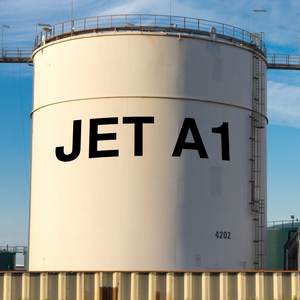
Sources within the oil sector said the NNPC is sourcing crude from foreign suppliers at competitive global market rates to ensure the refinery continues operations despite temporary supply constraints.
The Dangote refinery is also said to be receiving fewer crude cargoes than required under the naira-for-crude arrangement. While the facility reportedly needs about 13 cargoes monthly to operate optimally, it currently receives around five cargoes from the national oil company, forcing it to rely partly on imported crude.
Energy stakeholders say this reliance on foreign crude exposes the refinery to international market fluctuations, which ultimately influence petrol prices in Nigeria.
Industry groups also argue that fully implementing the naira-for-crude policy could help reduce production costs for local refiners and potentially moderate pump prices.
Recent market data also shows Nigeria increasingly importing crude oil from the United States to meet refinery needs. Ship-tracking data indicates that US crude exports to Nigeria rose sharply in 2025, reflecting the growing dependence on foreign feedstock for refining operations.
Despite the challenges, analysts say the Dangote refinery has helped cushion the country from even steeper fuel prices. Some industry observers believe petrol could have reached about N1,500 per litre without the refinery’s contribution to local supply.
Meanwhile, petrol prices in several major cities currently range between about N1,030 and N1,100 per litre, prompting transport operators to adjust fares and raising concerns about rising costs of goods and services nationwide.
To improve distribution, the refinery has also expanded the number of marketers authorised to lift petrol from its facility, increasing the list from 13 to more than 30 companies across the country. Industry watchers say the move is aimed at improving nationwide supply despite ongoing market pressures.