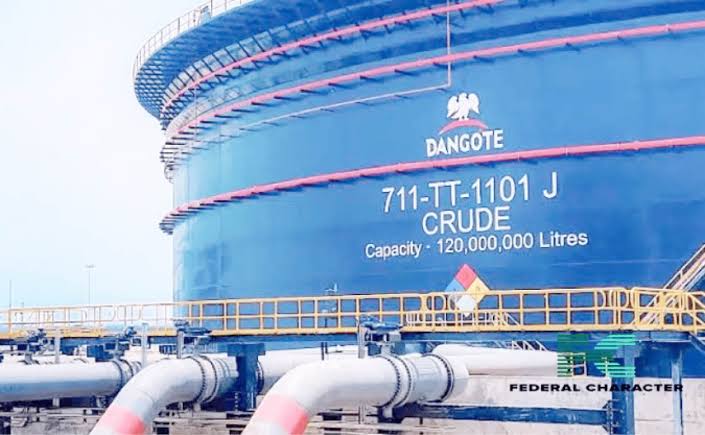
Petrol prices in Nigeria are set to climb again after the Dangote Petroleum Refinery increased the gantry price of Premium Motor Spirit (PMS) to N1,175 per litre, marking the third price adjustment within one week.
The refinery communicated the new price to fuel marketers on Monday, raising the cost from N995 per litre, which had been announced just days earlier. The latest revision represents an increase of N180 per litre, or roughly 18 per cent.
Diesel prices were also adjusted, with Automotive Gas Oil (AGO) now priced at N1,620 per litre at the refinery’s loading gantry.
A senior official at the refinery confirmed the development, explaining that the adjustment had already been relayed to marketers and depot operators. According to the official, the changes were driven by rapid fluctuations in market conditions and rising replacement costs in the fuel supply chain.
Industry checks show that the revised figures have already been reflected on petroleum depot pricing platforms used by downstream operators, signalling a shift in the benchmark price used across the market.
The latest increase continues a series of rapid adjustments over the past week, during which gantry prices moved from N774 per litre to N995, and now to N1,175. As a result, pump prices in several parts of the country have crossed the N1,000 per litre mark, with some filling stations already selling petrol for around N1,200 per litre.
Analysts warn that the higher fuel costs could place additional pressure on households and businesses, as petrol prices often influence transportation, logistics and production expenses across the economy.
The development comes amid efforts by the Federal Government, through the Nigerian National Petroleum Company Limited (NNPC Ltd), to secure crude supply for the Dangote refinery using international traders in order to sustain domestic refining.
However, industry officials caution that these interventions may not immediately translate into lower pump prices for consumers, as Nigerians continue to face rising fuel costs following the latest adjustments by the $20bn Lekki-based refinery.