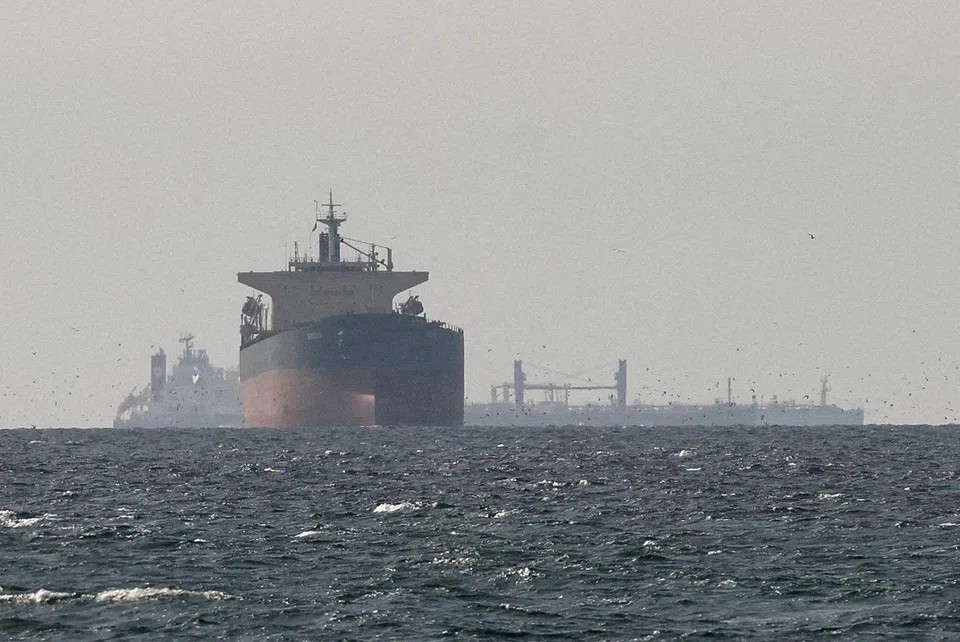
The United States has doubled its financial guarantee for ships willing to pass through the Strait of Hormuz, increasing its maritime reinsurance cover from $20 billion to $40 billion in a bid to restore shipping activity along the vital oil route.
The expanded support is being coordinated by the US International Development Finance Corporation (DFC) in partnership with major insurers such as American International Group, Berkshire Hathaway, Travelers, Liberty Mutual, Starr, CNA and Chubb.
The move comes as the waterway remains largely avoided by commercial vessels due to security threats linked to ongoing hostilities involving Iran. The strait is a key global energy passage, responsible for roughly a fifth of the world’s oil and liquefied natural gas shipments, and its disruption has contributed to rising energy prices worldwide.
According to the DFC, the additional insurance backing is intended to reassure shipping companies and reduce the financial risks of operating in the region. Participating insurers will provide war-risk and marine coverage under the government-backed facility.
However, many ship operators remain cautious, citing risks to crew safety from potential drone, missile and sea mine attacks. The programme does not include naval escorts, which some in the industry believe would provide stronger confidence for a return to normal operations.
To qualify for the coverage, shipowners must disclose detailed information about vessel ownership, cargo origin and destination, and financing arrangements. The DFC and its partners will determine which vessels meet the criteria.
US President Donald Trump has voiced frustration over the prolonged disruption and indicated that Washington is exploring further steps to reopen the route, though no specific actions were announced.
The continued uncertainty has strained global energy supply chains. Major importers of Gulf oil and gas, including India, have been affected, while fuel prices in the United States have climbed above $4 per gallon.
Energy analysts say confidence among insurers and shipowners is unlikely to fully return until the security threat in the region is significantly reduced. For now, US officials hope the expanded financial guarantees will encourage some vessels to resume transit through the strait