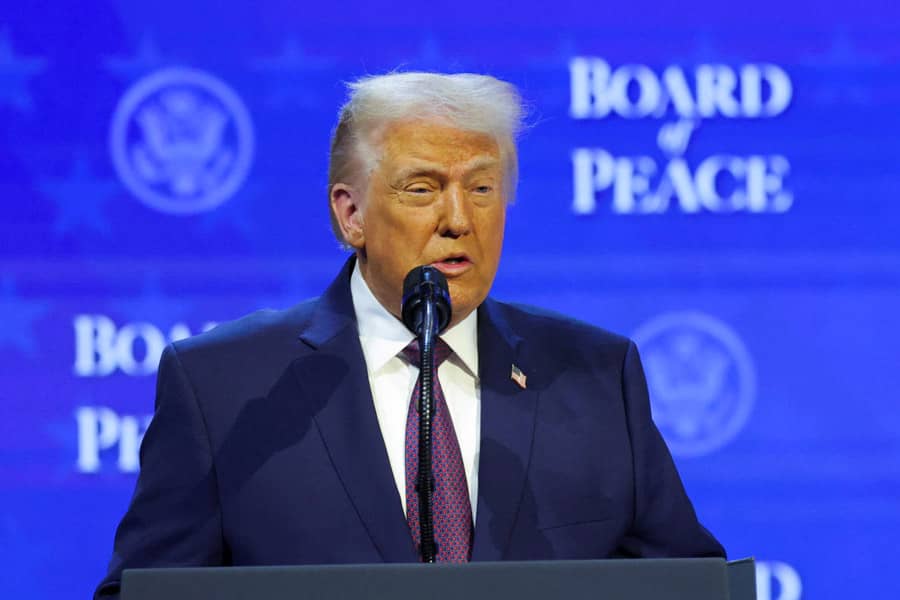
A fact-check by Agence France-Presse has found that Donald Trump overstated China’s reliance on the Strait of Hormuz for crude oil imports. Trump claimed that about 90 percent of China’s oil passes through the strait, but Chinese customs data shows the actual figure is less than half of that.
In 2025, China imported 4.17 billion barrels of crude oil. The largest share came from Russia via pipelines and Far East ports that do not use the strait. Oil from Gulf countries including Saudi Arabia, the UAE, Kuwait, Qatar, and Iraq accounted for roughly 36 percent of China’s imports. Adding Iranian shipments and oil transshipped via Malaysia brings the total to about 47 percent, far below the 90 percent figure cited by Trump.
Experts note that Trump’s statement appears to be an exaggeration, possibly aimed at encouraging China to take a more active role in securing the waterway. Meanwhile, China has strengthened its energy security with large crude reserves, domestic production, and significant investments in renewable energy, including record solar and wind capacity in 2025.
Despite these measures, global price shocks from any disruption in the Gulf still affect China and other countries. Higher fuel costs have already impacted retail prices in China, and analysts warn that continued closure of the strait could drive up energy prices and inflation worldwide.
Even the United States, which imports relatively little oil from Gulf countries, is affected by global oil price fluctuations, highlighting the interconnected nature of the global energy market.