Nigeria’s state oil company, NNPC Limited, has raised the official selling prices for all 37 Nigerian crude grades scheduled for May export, following a sharp rise in global oil prices linked to tensions in the Middle East.
The adjustment saw Nigeria’s flagship grade, Bonny Light, increase by more than $6 per barrel compared to April, while Forcados rose by just over $7 per barrel.
Market data showed Bonny Light trading around $124 per barrel this week, well above the global benchmark, Brent crude, which climbed past $110 as fears grew that the conflict between the United States and Iran could disrupt global oil supply routes.
One major concern for traders remains uncertainty around the Strait of Hormuz, a critical passage for oil shipments. Any restriction to movement through the route is seen as a key factor driving oil price volatility.
Figures referenced from the Central Bank of Nigeria indicate that Bonny Light was priced near $74 per barrel before the crisis escalated in late February, highlighting the scale of the recent surge.
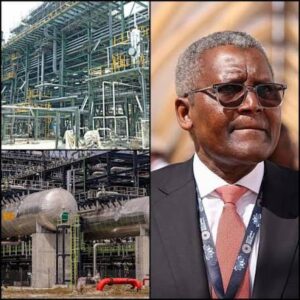
While the higher crude prices are expected to boost Nigeria’s oil revenue, analysts warn that the development could also lead to increased fuel costs domestically. Refineries that depend on Nigerian crude, including the Dangote Petroleum Refinery, may face higher input costs, which could eventually reflect in pump prices.
Energy economist Adeola Adenikinju said the situation presents both benefits and challenges for Nigeria. According to him, increased earnings from crude exports may be offset by the economic strain on citizens due to rising fuel and transport costs.
He called for targeted cash support for vulnerable Nigerians to cushion the effects of higher prices but noted that the absence of a reliable social register remains a major obstacle. He also said wage adjustments for public workers would offer only limited relief, as many Nigerians work in the informal sector.
Analysts say oil markets will continue to react to developments in the Middle East, with the possibility of further price increases if tensions persist.