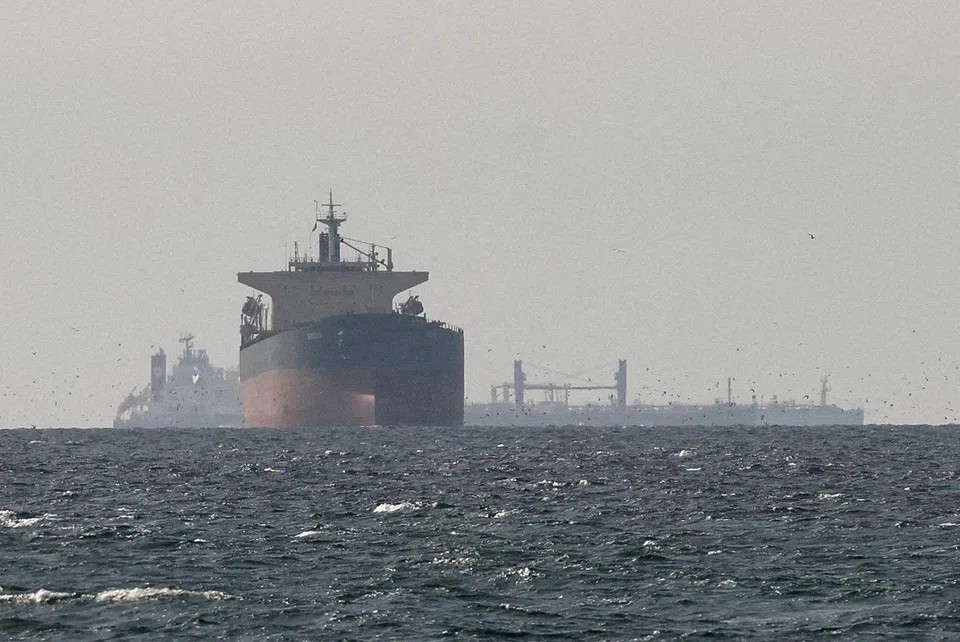
Iran has introduced a new body, the Persian Gulf Strait Authority, to supervise vessel movement through the Strait of Hormuz, one of the world’s most critical oil shipping routes.
Iranian state media said ships intending to pass through the corridor will now receive official instructions through a designated channel and must obtain prior approval before entering the waterway. The move reflects Tehran’s push to formalise oversight of maritime traffic amid rising regional tension and global concern over energy supply disruptions.
The development follows fresh friction between United States and Iran after reported confrontations at sea. The US military claimed it destroyed several Iranian small boats in response to alleged attacks on commercial vessels, a claim dismissed by Iran through the Islamic Republic News Agency as false.
US President Donald Trump had announced that American forces would help escort commercial ships through the passage under an operation described as “Project Freedom”. However, many shipping companies have remained cautious, citing safety concerns and uncertainty about guarantees for safe transit.
The International Transport Workers’ Federation warned shipowners not to interpret the US announcement as an assurance that the route is secure, stressing that seafarers’ safety must come first.
Meanwhile, the International Maritime Organization said thousands of crew members are currently stranded aboard vessels awaiting safe passage in the area, describing the situation as without precedent in modern maritime history.
The United Nations has also called for freedom of navigation in the strait, noting that disruptions are affecting global shipments of oil, gas, fertiliser and other essential commodities.
Oil prices reacted sharply to the tensions, with Brent crude briefly rising above $114 per barrel earlier this week before easing. Analysts attribute the spike to fears of supply interruptions estimated at more than 14 million barrels per day.
The Strait of Hormuz links the Persian Gulf to the Gulf of Oman and handles a significant share of global oil exports, making developments in the corridor a matter of international concern.