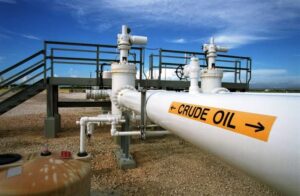
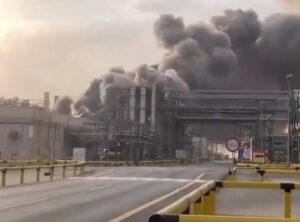
Rising tensions linked to the Iran conflict are beginning to strain major Asian economies, particularly those heavily dependent on oil and gas imports from the Gulf.
South Korea’s financial markets reacted sharply to the crisis, with the country’s main stock index plunging nearly 8 percent early Monday. The decline came as global oil prices climbed above $114 per barrel, sparking fears that the conflict could disrupt energy shipments through the Strait of Hormuz, a critical route for global oil and gas supplies.
Analysts say the situation highlights how vulnerable some Asian economies remain to supply disruptions in the Middle East. While China has built several buffers including large crude reserves, growing domestic energy production and strong coal capacity – many of its regional peers have fewer short-term options to absorb the shock.
South Korea is considered one of the world’s most energy-dependent industrial economies. Although the country holds strategic oil reserves capable of covering roughly 200 days of imports, analysts warn that price surges alone could significantly affect its economy.
Energy costs play a major role in South Korea’s export-driven industries, including semiconductors, shipbuilding, petrochemicals, automobiles and steel. These sectors consume large amounts of energy, meaning sustained price increases could weaken industrial output and corporate profits.
Saudi Arabia, the United States, the United Arab Emirates, Iraq and Kuwait were among South Korea’s largest oil suppliers last year.
India is also facing growing pressure from the energy market turmoil. Experts say the country’s strong sensitivity to price increases makes the situation particularly difficult.
The country relies heavily on imported oil and natural gas, and analysts warn that higher prices could strain both industrial demand and government finances.
The impact is already being felt in the gas market. India’s largest liquefied natural gas importer, Petronet LNG, recently declared force majeure to its buyers after QatarEnergy temporarily halted operations at its Ras Laffan facility following Iranian attacks earlier in the week.
QatarEnergy also suspended production of several downstream products and announced its own force majeure on gas exports.
Data from the World Bank shows India was the third-largest importer of liquefied natural gas from Qatar in 2024, behind China and South Korea.
The surge in prices is also expected to affect other South Asian countries.
Analysts say Pakistan, Bangladesh and India could be forced to cut gas consumption if the current price trend continues, with Thailand potentially facing the earliest reductions.
Although India has significantly reduced its purchases of Iranian oil over the past decade and a half, analysts say the country remains highly exposed to sudden jumps in global energy prices. Higher fuel costs could increase pressure on consumers and weaken the country’s foreign-exchange position.
In response, New Delhi may intensify efforts to diversify its energy supply. Potential partners include the United States, Venezuela and several African producers. At the same time, India is likely to maintain stable energy relations with Russia, even as it navigates diplomatic pressure from Western countries.
Despite the growing concerns, India’s petroleum minister recently assured citizens that the country has sufficient energy supplies and that consumers should not panic.
Japan and South Korea along with India to a lesser extent also maintain strategic petroleum reserves that include crude supplied by Gulf producers. In case of supply disruptions, these countries have the right to access the stored oil and process it in domestic refineries for local consumption.
However, analysts warn that if tensions in the region escalate further or shipping routes are blocked, Asian economies dependent on Middle Eastern energy could face mounting economic and industrial pressure