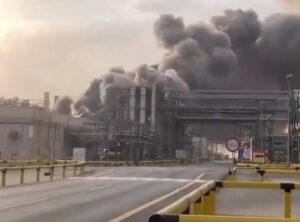
Cuba is increasingly turning to renewable energy as it struggles with a worsening power crisis that has led to frequent nationwide blackouts.
The island has been grappling with persistent electricity shortages, a situation worsened by disruptions to fuel supplies that previously came largely from Venezuela. Reduced imports have forced the government to introduce fuel rationing and limit supplies to essential services and key economic activities.
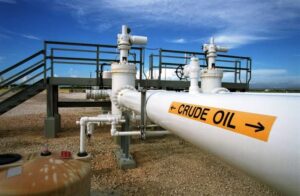
The crisis intensified earlier this year after the United States ramped up pressure on countries exporting oil to Cuba. Washington warned it could impose tariffs on nations that continue shipping crude to the island, a move that has already affected some suppliers.
Mexico, which had been providing crude shipments partly on humanitarian grounds, suspended deliveries in February following the tariff threat. Mexican President Claudia Sheinbaum said the shipments were paused to avoid potential economic consequences for Mexico while diplomatic efforts continue to ensure Cuba receives necessary fuel supplies.
Russia has indicated it may continue exporting crude to Cuba, though any increase in shipments is expected to take time. In the meantime, many Cuban households have resorted to alternative energy sources such as charcoal for cooking, while some residents are installing solar panels to generate electricity.
Facing immediate shortages and long-term energy insecurity, the Cuban government has stepped up plans to diversify its energy mix. Under its national energy transition strategy, the country aims to significantly expand renewable power generation and reduce its dependence on imported fossil fuels.
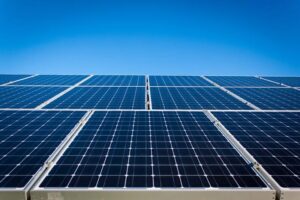
Cuba has pledged to increase the share of renewable energy in its electricity supply to 26 percent by 2035. Currently, renewables account for about 9 percent of the country’s power generation, most of it from solar energy.
Efforts to expand clean energy have gained momentum in recent years. China has emerged as a key partner, providing financial backing and technical expertise for major renewable projects.
One of the most significant developments is the construction of the La Herradura 1 wind farm, which is expected to generate about 33 megawatts of electricity once its initial phase is completed. The project includes the installation of 22 wind turbines.
Beijing has also agreed to support solar expansion across the island. Plans are underway to build 92 solar parks with a combined capacity of about two gigawatts by 2028. Several projects have already been completed, with dozens of solar facilities operational as of late 2025.
However, experts say Cuba still faces major obstacles in achieving its clean energy ambitions. The transition is estimated to require between $8 billion and $10 billion in investment over the next decade, funding the government currently lacks.
Beyond financing, the country must also modernize its aging electricity infrastructure. Approximately 16 percent of the electricity produced in Cuba is lost due to inefficiencies in its transmission network.
The development of renewable energy also requires a skilled technical workforce, something analysts say is still limited in the country.
While large-scale projects progress slowly, wealthier households and businesses have begun installing private solar systems.
Since the government eased restrictions on importing solar equipment in 2024, the number of companies offering solar installations has grown significantly.
However, the cost remains a major barrier for most citizens. A basic solar system can cost around $2,000, placing it far beyond the reach of many Cubans.
Despite the challenges, Havana hopes that expanding renewable energy will eventually strengthen the country’s energy security and reduce its vulnerability to external supply disruptions.