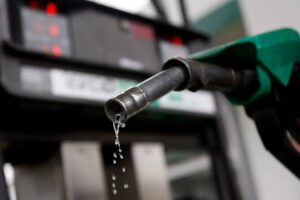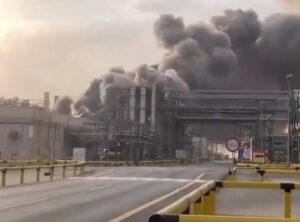
Nigeria’s fuel market is in flux as the Federal Government’s suspension of petrol import licences coincides with a price increase by the Dangote Petroleum Refinery. On Friday, the refinery raised its depot price of Premium Motor Spirit to N1,175 per litre, reversing a brief N100 reduction earlier this month. The coastal supply price also rose from N1,378,548 to N1,512,648 per metric tonne, reflecting higher global crude costs.
The sudden adjustment disrupted operations at several depots, with some temporarily halting sales while awaiting clarity on the new pricing. A refinery official confirmed that the revision was driven by rising global crude prices and geopolitical tensions affecting refining costs.
The import ban has sparked debate among oil marketers. The Independent Petroleum Marketers Association of Nigeria (IPMAN) supports the move, citing Dangote’s capacity to meet most domestic demand and calling the ban a boost for local refining. “Without Dangote, petrol prices could have reached N3,000–N4,000 per litre,” said IPMAN Vice President Ahmed Fashola.
However, some major dealers questioned claims that Dangote supplies the entire country. NMDPRA data shows the refinery produced 36 million litres per day in February, while national consumption was about 56 million litres per day, leaving a shortfall that critics argue still requires imports to stabilize supply.
Nigeria has historically relied on imports due to limited domestic refining, but the Dangote facility, with a capacity of 650,000 barrels per day, has dramatically increased local supply. NMDPRA reports that domestic production accounted for 92% of national petrol supply in February 2026, signaling a major shift in the country’s fuel sector.
NMDPRA Chief Executive Saidu Mohammed stressed that sustaining domestic refining is essential, warning against a return to heavy fuel importation. Meanwhile, global crude prices remain volatile due to tensions in the Middle East, further influencing petrol costs in Nigeria.