Finance, energy, and central bank leaders from the G7 countries are holding talks to address the global economic impact of the ongoing Middle East conflict. The meeting comes as oil and gas prices continue to rise, causing disruptions to supply chains in many industries.
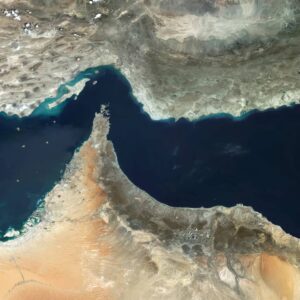
The tensions began after U.S. and Israeli strikes on Iran in late February, with Iran responding by targeting oil-exporting countries and blocking shipments through the Strait of Hormuz. This has tightened global energy supplies and pushed prices higher worldwide.
French Finance Minister Roland Lescure said the videoconference aims to share ideas on the crisis’s effect on financial markets and the economy. He noted that Asia is especially vulnerable to the disruptions. Lescure also highlighted that this is the first time in 50 years the G7 has brought together finance, energy, and central bank officials in this format.
The G7, which includes the United States, Canada, Britain, France, Germany, Italy, and Japan, is also focused on ensuring the safe passage of shipping through the Strait of Hormuz. Last week, G7 foreign ministers stressed the need for Iran to reopen the strait and stop attacks on civilian infrastructure.
Governments are introducing measures to reduce the impact of rising energy prices, but uncertainty over the U.S. objectives and the potential length of the conflict has made it difficult to respond effectively.
The human toll of the conflict continues to grow.
Activists report over 3,000 deaths in Iran, with more than half being civilians. Lebanon has reported over 1,000 deaths since Israeli retaliatory attacks began in March. Casualties in Israel and Gulf countries are smaller.
The G7 talks are seen as an urgent effort to stabilize energy markets and coordinate international economic strategies during a period of major uncertainty in the Middle East.