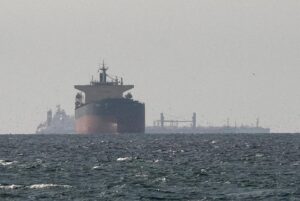
The United States and Iran have agreed to a conditional two-week ceasefire, with the Strait of Hormuz set to reopen to international shipping. The announcement, made by US President Donald Trump, has caused oil prices to drop sharply, now trading below $100 a barrel.
Iranian Foreign Minister Abbas Araghchi confirmed that Tehran would halt attacks if the US agreed to stop military strikes. Israel expressed support for the temporary suspension, emphasizing the need for Iran to cease hostilities and open the strategic waterway.
Pakistan, serving as a mediator, has called for further negotiations in Islamabad, seeking a diplomatic extension beyond the initial two-week period.
The White House framed the ceasefire as a major diplomatic and military success. Press Secretary Karoline Leavitt highlighted that the reopening of the Hormuz Strait was achieved without the extensive military operations previously threatened. Defense officials, including Secretary Pete Hegseth and General Dan Caine, are expected to brief the media on the operation’s outcomes.
Oil market analysts said the news immediately reversed much of the recent price surge, which had been fueled by concerns over Gulf shipping disruptions. However, they noted that global fuel prices may take time to reflect the change, depending on how quickly oil flows resume.
1
In Iran, citizens experienced mixed reactions. Many had prepared for potential attacks by stockpiling essentials, while others opposed to the regime hoped the conflict could lead to political change. Now, Iranians face a fragile peace amid economic challenges and the aftermath of heightened tensions.
The ceasefire leaves several questions unresolved, including long-term security guarantees, Iran’s nuclear program, and the broader regional balance. Analysts warn that the fragile agreement may require continued diplomatic effort to prevent escalation once the initial period ends.