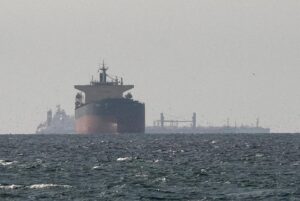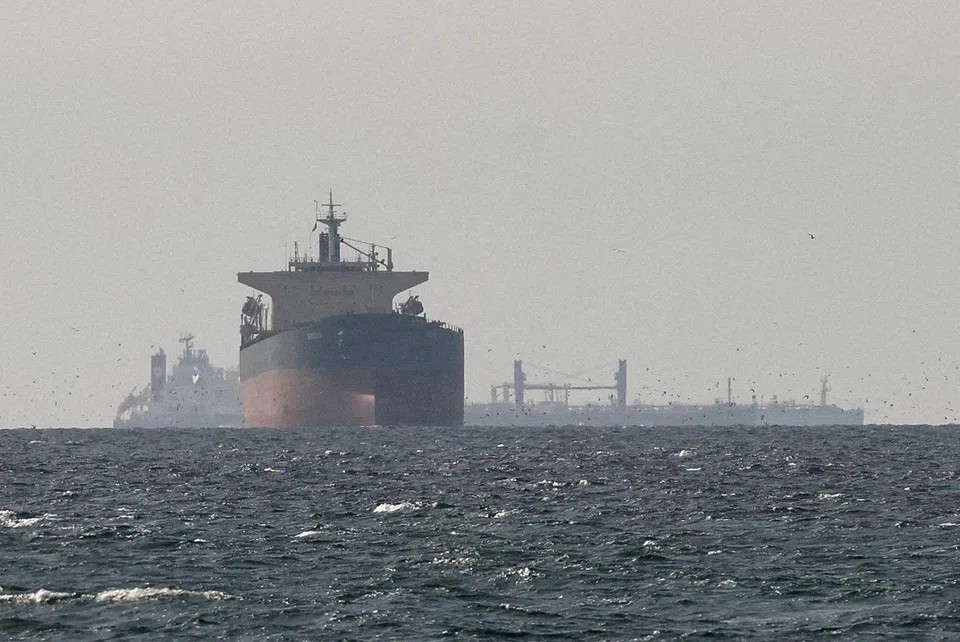
Iran is reportedly planning to charge oil tankers a $1-per-barrel fee for passing through the Strait of Hormuz, with payments requested in Bitcoin or other cryptocurrencies during the ongoing two-week ceasefire with the United States.
According to Hamid Hosseini, spokesperson for Iran’s Oil, Gas and Petrochemical Products Exporters’ Union, the toll would apply to every barrel of oil onboard and is designed to give Iran control over one of the world’s most important shipping routes while using a payment method less vulnerable to sanctions.
Under the reported system, ships must first email Iranian authorities details about their cargo. Officials then review the information and give vessels a short window to complete payment in Bitcoin before being allowed to pass. Hosseini said this ensures payments cannot be traced or intercepted and helps prevent weapons from entering the strait.
Earlier reports indicate that Iran had already introduced stricter oversight in the waterway during the conflict, requiring ships to obtain Iranian clearance before transit.
Iran may allow a partial reopening of the strait ahead of talks with U.S. officials in Pakistan, but ships will still need to coordinate with the Iranian military. This means normal shipping conditions have not yet returned. Iran’s ambassador to the U.N. in Geneva said stricter rules will remain during the ceasefire.
The ceasefire announcement caused oil prices to fall, with Brent and WTI dropping from recent highs. Still, analysts warn that the strait handles roughly 20% of global oil flows, so any partial reopening under Iranian control keeps risk levels high. Disrupted supply chains and the new toll could continue affecting energy markets.
By requesting Bitcoin payments, Iran is bringing cryptocurrency into a high-stakes geopolitical situation. The move shows how digital currencies are being used as alternatives for international payments in a sanctions environment. Even as the ceasefire reduces immediate tension, Iran’s toll highlights the ongoing challenges in balancing energy security, geopolitics, and emerging financial technology.