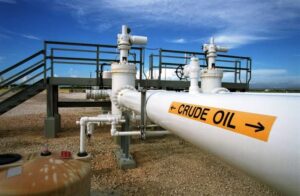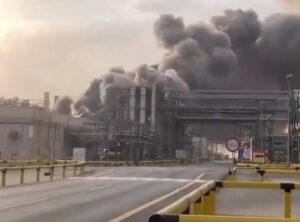
Iraq’s crude oil production has dropped sharply after conflict in the Middle East disrupted shipping through the Strait of Hormuz, preventing the country from exporting most of its oil.
Sources in the oil industry said production from Iraq’s key southern oilfields has fallen by about 70 percent to around 1.3 million barrels per day, down from roughly 4.3 million barrels per day before the conflict escalated.
The disruption has left the country struggling to move crude through the Strait of Hormuz, one of the world’s most critical energy transit routes that carries about a fifth of global oil and liquefied natural gas shipments.
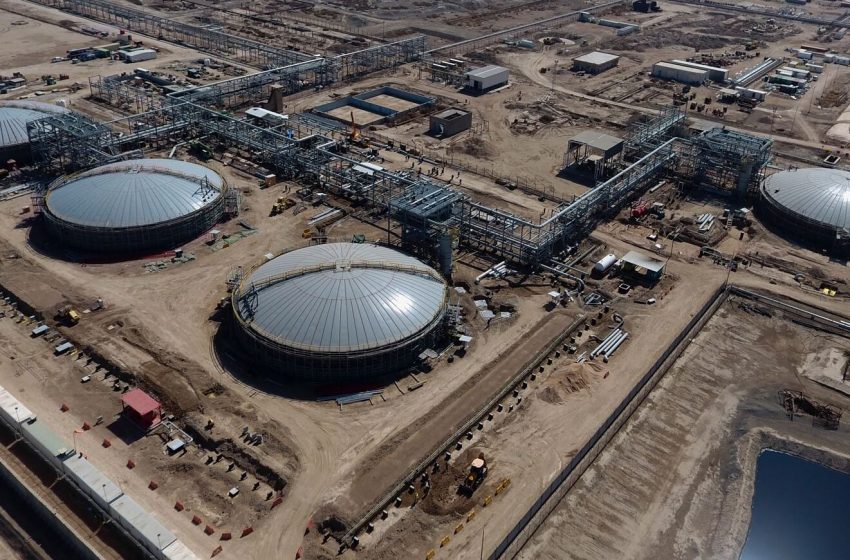
With exports blocked, crude storage facilities have reportedly reached full capacity. The remaining production is now being directed mainly to local refineries to meet domestic fuel demand.
Oil shipments have also slowed significantly at Iraq’s southern export terminals. Sources said only two tankers were able to load crude recently, each taking about two million barrels. After their departure, no additional vessels were waiting to load, effectively halting further exports.
The drop represents a steep decline from February levels, when Iraq exported more than 3.3 million barrels per day from its southern oilfields, according to official data.
The disruption threatens Iraq’s finances, as the country relies heavily on oil exports for government revenue. Crude sales account for more than 90 percent of the country’s income and fund most public spending.
Officials say the current situation poses one of the most serious operational challenges Iraq’s oil sector has faced in more than two decades.