Japan’s government is preparing to release about 800 billion yen (roughly $5 billion) from its contingency reserves to strengthen fuel subsidy programs as global oil prices remain high.
The move, expected to be approved by the Cabinet, is aimed at cushioning households and businesses from rising energy costs linked to tensions in the Middle East. Officials say the current subsidy fund is running low, making additional support necessary.
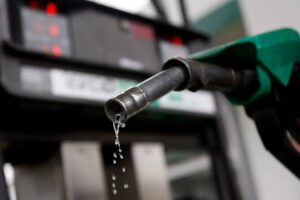
Authorities have already been subsidizing oil wholesalers since mid-March to help stabilize gasoline prices at around 170 yen per liter nationwide. The support also extends to diesel, kerosene, and heavy oil.
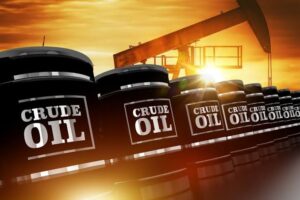
Even though about 280 billion yen remains in the existing fund, the government believes it won’t be enough if high crude prices persist.
The subsidy initiative, first introduced in early 2022 during the COVID-19 period, has been used intermittently and has now exceeded a total spending of 8 trillion yen.
Prime Minister Sanae Takaichi indicated that the government may continue drawing from reserve funds in both the 2025 and 2026 fiscal years if needed.
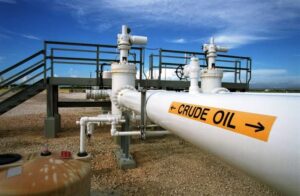
On the international front, Japan is also exploring closer energy cooperation with the United States.
Takaichi revealed discussions about jointly stockpiling U.S. crude oil and increasing production. She also acknowledged talks around maintaining security in the Strait of Hormuz, a key global oil route, though she declined to share specific details.