Airline operators in Nigeria are facing increasing financial strain as the cost of aviation fuel rises sharply, raising concerns over an imminent hike in airfares.
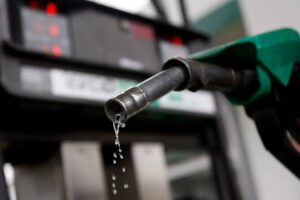
Jet A1, the primary fuel used by airlines, has more than doubled in price in recent weeks, climbing from under ₦1,000 per litre to as high as ₦2,700. The surge has significantly increased operational costs for domestic carriers, making it difficult to sustain current ticket prices.
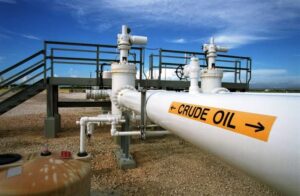
The rise in fuel cost has been linked to disruptions in global oil supply, particularly due to tensions in the Middle East, which have affected crude oil production and distribution.
As a result, aviation fuel already a major expense now takes up a larger share of airline operating costs.
Industry players say fuel expenses, which previously accounted for about 30 to 35 per cent of total costs, are now approaching 45 per cent. Despite this, many airlines have maintained fares at around ₦195,000, a level operators say cannot be sustained if the current trend continues.
Airline representatives warn that if fuel prices climb further towards ₦3,000 per litre, some operators may be forced to cut back on services or suspend operations altogether. This could reduce available flights and further drive up ticket prices.
Rising crude oil prices have worsened the situation, increasing from around $65–$69 per barrel to over $110, adding pressure across the aviation sector.
Experts predict that airfares could increase by 20 to 25 per cent in the coming weeks as airlines adjust to the growing cost burden. They note that without intervention or a drop in fuel prices, passengers should expect higher travel costs.
Stakeholders have also urged regulators to engage with airline operators to better understand the challenges facing the industry and address concerns around pricing.