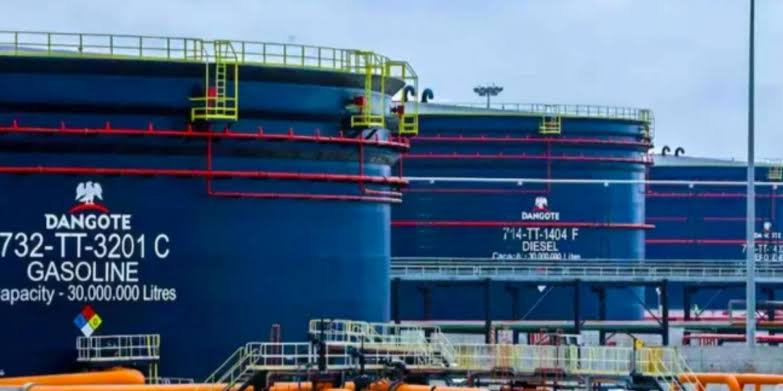
Fuel marketers and the Dangote Petroleum Refinery have traded words over the price of petrol in Nigeria as tensions in the Middle East continue to shake the global oil market.
Data released by the Major Energies Marketers Association of Nigeria (MEMAN) suggested that imported petrol was cheaper than fuel supplied by the Dangote refinery. According to the figures, the landing cost of imported petrol stood at about N809.37 per litre, while Dangote’s ex-depot price was N874 per litre, creating a price gap of roughly N64.
The refinery, however, dismissed the claim and accused importers of pushing misleading narratives in order to maintain government approval for fuel imports. Officials of the refinery argued that critics should attempt importing fuel during the ongoing hostilities in the Middle East before making such claims.
The dispute comes shortly after the refinery increased its gantry price from N774 to N874 per litre, following a surge in crude oil prices to about $84 per barrel, up from below $70 before the latest escalation involving the United States, Iran and Israel.
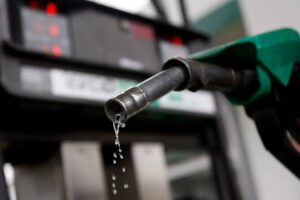
Following the adjustment, several filling stations across Nigeria raised their pump prices, with some selling petrol for as much as N937 per litre, depending on location. Prior to the latest geopolitical tensions, retail prices had been hovering between N812 and N839 per litre.
MEMAN said the refinery’s price increase triggered a wider adjustment across the downstream sector, pushing retail prices above N900 per litre and forcing some private depots to briefly suspend sales while reviewing their pricing.
The association also warned that the market remains uncertain as rising crude oil prices could drive further increases in fuel costs. Analysts say that if crude climbs toward $90 per barrel, petrol could reach N1,100 per litre in Nigeria within the next month.
Despite the criticism, officials at the Dangote refinery maintained that local refining has helped protect Nigeria from a major fuel crisis at a time when global supply is under pressure.
They argued that without the refinery, the country could have faced severe fuel shortages similar to those reported in parts of the United Kingdom, where motorists recently rushed to filling stations amid fears of supply disruptions linked to the Middle East conflict.
Industry observers note that the refinery has significantly reduced Nigeria’s reliance on imported petrol. Data from the Nigerian Midstream and Downstream Petroleum Regulatory Authority (NMDPRA) showed that domestic refineries supplied about 40.1 million litres of petrol daily in January 2026, while imports accounted for 24.8 million litres per day.
The report indicated that the Dangote refinery alone supplied around 62 per cent of Nigeria’s petrol demand during the period, marking the first time in over a year that locally refined fuel surpassed imported volumes.
Meanwhile, the refinery has also raised concerns about difficulties in sourcing crude oil from local producers. It said the facility currently receives about five cargoes of crude per month from the Nigerian National Petroleum Company Limited, far below the 13 cargoes needed to meet domestic demand.
As a result, the refinery said it has been forced to purchase additional crude from international traders at higher prices, often requiring foreign exchange.
The company explained that global crude costs have risen sharply due to the Middle East conflict, with Brent crude jumping about 26 per cent in a short period to above $84 per barrel. Nigerian crude, it added, typically sells at a premium of $3 to $6 above Brent, with additional freight costs further raising the total price.
Despite these challenges, the refinery said it had absorbed part of the cost increase to reduce the impact on the domestic market.
Energy experts have also urged the Federal Government to improve crude oil production in order to sustain local refining. Professor Wumi Iledare noted that Nigeria missed its oil production target in 2025, producing about 599.6 million barrels instead of the 766.5 million barrels projected for the year.
He said boosting output would require stronger security around oil infrastructure, faster regulatory approvals and policies that encourage operators to maximise production from existing oil fields.
Another economist, Segun Ajibola, said crude production levels depend on several factors, including technical partnerships, global market conditions and operational stability in the country’s oil sector.
Both experts stressed that improving production and ensuring reliable crude supply would be key to strengthening Nigeria’s refining capacity and stabilising fuel prices.