New Zealand has warned that the ongoing conflict involving the United States, Israel and Iran could drive up global oil prices and increase fuel costs if energy supplies from the Persian Gulf are disrupted.
In a new report released Tuesday, the country’s Ministry of Foreign Affairs and Trade said the escalating tensions pose a significant risk to global economic stability and to New Zealand’s trade with the region.
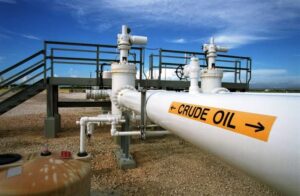
According to the report, a major concern is the potential disruption of oil shipments through the Strait of Hormuz, one of the world’s most important energy routes. About one-fifth of the world’s oil supply passes through the narrow waterway, making it critical to global energy markets.
Although New Zealand no longer imports crude oil directly from the Gulf, officials said the country remains vulnerable because it relies on refined petroleum products from Asian refineries. Nations such as South Korea, Singapore, Malaysia and Japan depend heavily on Middle Eastern crude.
The report explained that any interruption in oil exports from the Gulf would force these refineries to source crude from other suppliers, increasing competition and pushing up global oil prices. That could eventually translate into higher fuel costs for New Zealand.
Authorities also warned that a prolonged rise in fuel prices could place additional pressure on households already facing high living costs. Increased energy prices are expected to raise transportation expenses and production costs for businesses, particularly for energy-intensive goods such as fertilisers.
Energy markets have already reacted to the geopolitical tensions. Brent crude prices have climbed significantly this year, rising more than $12 per barrel earlier in 2026 and gaining another $10 to trade above $83 per barrel since the conflict intensified.
Some analysts believe prices could surge further if the situation worsens. The report suggested that a full closure of the Strait of Hormuz could push global oil prices beyond $100 per barrel, nearly doubling levels seen earlier this year.
Beyond energy markets, officials said the conflict could also trigger volatility in global financial markets. Higher borrowing costs, increased risk premiums and a weaker New Zealand dollar are among the possible outcomes if tensions continue to escalate.
Despite the concerns, the report noted that markets have so far remained relatively stable, with oil prices still below the peaks recorded after Russia’s invasion of Ukraine.
New Zealand’s direct trade with the Middle East is relatively small but remains important in certain sectors. In 2025, the country exported goods and services worth about $3.4 billion to the region, accounting for roughly three per cent of its total exports. Dairy products made up nearly 70 per cent of that trade.
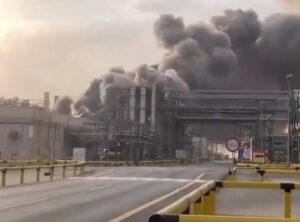
The conflict could also affect global supply chains and transportation routes. On February 28, the United States and Israel carried out large-scale strikes inside Iran, prompting Iran to launch retaliatory missile and drone attacks across the region, targeting Israel, US forces and Gulf states hosting American military bases.
Iran later announced the closure of the Strait of Hormuz, although shipping data indicates that traffic through the passage has only slowed rather than completely stopped.
Air travel across parts of the Middle East has also been disrupted. Major airports in Dubai, Abu Dhabi and Doha have been operating limited services, while several flights across the region remain suspended.
The situation is significant for New Zealand because the Middle East serves as a major hub for global transport. Dubai International Airport, for example, plays a key role in moving high-value goods between New Zealand and Europe.
If the conflict persists, global shipping companies may increasingly reroute vessels through alternative paths such as the Cape of Good Hope, a move that would increase transit times and operational costs.
The report concluded that the scale of the economic impact will largely depend on how the conflict develops. While a contained conflict may result only in temporary supply disruptions, a wider regional escalation could pose more serious risks to global trade and economic stability.