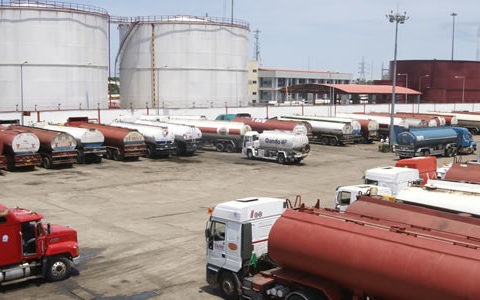
Niger’s government has withdrawn the operating licences of several transport companies and drivers after they declined to carry fuel consignments to neighbouring Mali, citing security risks linked to militant attacks.
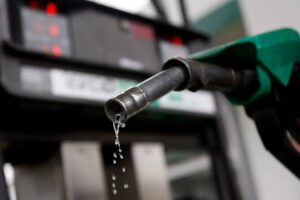
The decision follows months of disruption to Mali’s fuel supply after an al-Qaeda-linked group, Jama’at Nusrat al-Islam wal-Muslimin (JNIM), launched a blockade on fuel imports in September.
The group has targeted petrol tankers on key highways, expanding its insurgency to include economic pressure tactics.
Mali, which has no coastline, relies heavily on imported fuel.
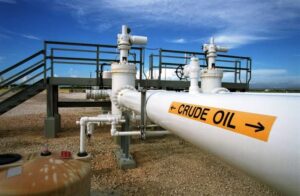
In July, it reached an agreement with Niger for the delivery of 85 million litres of fuel over six months to support its northern regions, where armed groups are active. Niger, an oil producer and close ally of Mali, has been a key supplier amid growing insecurity along alternative routes from Senegal and Côte d’Ivoire.
Although Niger successfully delivered dozens of fuel tankers to Mali last November, easing shortages at the time, further shipments stalled when drivers and transport operators refused to continue the journey. The 1,400km route has remained dangerous despite military escorts, with several convoys reportedly attacked.
In response, Niger’s transport ministry announced sanctions against 14 transport operators and 19 drivers, describing their refusal as a breach of existing legal and regulatory obligations. One additional operator was suspended for a year, and those affected were ordered to surrender their transport documents.
The fuel blockade has had wide-ranging consequences inside Mali, forcing temporary closures of schools and universities and raising international concern. Both Mali and Niger are governed by military juntas that came to power following coups and are grappling with persistent jihadist violence.
Despite support from foreign mercenaries and earlier international interventions, large parts of Mali remain outside government control, while fuel supply routes continue to face serious security threats.