The Nigerian National Petroleum Company Limited (NNPC) has said it does not currently have the capacity to operate refineries in a profitable and sustainable manner.
The Group Chief Executive Officer of NNPC, Engr. Bayo Ojulari, made the disclosure on Wednesday while speaking at the 2026 Nigerian International Energy Summit, where he described the reactivation of the Port Harcourt Refinery as financially unsustainable.
Ojulari explained that successful refinery operations require adequate financing, competent Engineering, Procurement and Construction (EPC) expertise, as well as strong operational and maintenance capacity. He noted that NNPC presently falls short in these critical areas.
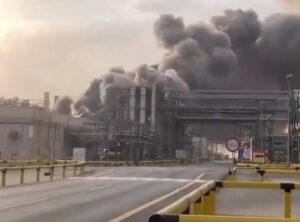
The Port Harcourt Refinery, which was rehabilitated at a cost of about $1.5 billion, resumed operations in November 2024 after nearly three years of repairs. However, it was shut down again in May 2025 following sustained financial losses.
According to Ojulari, a review of the refinery’s performance showed that it was operating at a significant loss despite receiving regular crude oil supplies.
He said utilisation levels averaged between 50 and 55 per cent, while operating expenses and contractor costs remained high, leading to value erosion.
He said the decision to shut down the facility was taken to prevent further losses and reassess viable options for the refinery.
Ojulari added that NNPC is now seeking partnerships with experienced refinery operators with proven capacity to manage and run refineries, rather than contractors or operations and maintenance service providers.
He also said the successful operation of the Dangote Refinery has reduced pressure on the government to hastily revive state-owned refineries, noting that the privately owned facility has helped stabilise domestic fuel supply.
On oil production, Ojulari expressed confidence that Nigeria could achieve about 1.8 million barrels per day in 2026. However, he described earlier production targets of over two million barrels per day as unrealistic.
He warned that overestimating production and revenue in the past had contributed to fiscal challenges and stressed the need for credible and realistic planning to avoid future budgetary pressures.