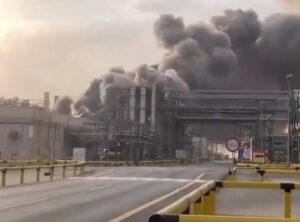
Nigeria’s state-owned refineries, long plagued by inefficiency and low output, may be headed for a turnaround as the Nigerian National Petroleum Company Limited (NNPC) explores partnerships with foreign investors.
The company has begun talks with a Chinese petrochemical firm and other potential partners as part of a plan to revitalise its 445,000-barrel-per-day refining assets. Rather than selling the refineries outright, NNPC intends to offer equity stakes to operators with proven experience, aiming to create a sustainable and commercially viable refinery system.
NNPC Group CEO Bayo Ojulari said the focus is on bringing in investors capable of running refineries efficiently, not just contractors for maintenance. “We are looking for partners who have skin in the game and operational expertise. This will allow us to rebuild our skills while ensuring sustainable operations,” he explained during the Nigeria International Energy Summit 2026 in Abuja.
Despite the challenges at state refineries, the privately-owned Dangote Petroleum Refinery has provided a major boost. Ojulari praised the 650,000-barrel-per-day facility for stabilising domestic fuel supply and reducing Nigeria’s dependence on imports. “Thank God for Dangote Refinery. It gives us breathing space and strengthens our energy security,” he said.
The CEO highlighted structural issues that have long affected NNPC refineries, including low utilisation, rising costs, and ineffective past maintenance contracts. At Port Harcourt, for example, crude deliveries averaged just 50–55% of capacity, and operations often led to financial losses.
Ojulari said halting refinery operations, despite political pressure, was necessary to prevent further losses. The new strategy marks a shift toward commercial discipline and collaboration with private operators.
NNPC is in advanced talks with several investors, including a major Chinese petrochemical company.
Talks with the Dangote Group have also intensified to formalise cooperation under the Petroleum Industry Act. Ojulari described this approach as pragmatic, focusing on partnership rather than competition.
He also projected that Nigeria could achieve oil production of 1.8 million barrels per day in 2026, noting that the 2025 budget benchmark of 2.06 million barrels per day was overly ambitious.
Ojulari’s comments signal a major shift in NNPC’s strategy, acknowledging that continued operation of state-owned refineries under current conditions is economically unsustainable and highlighting the need for private-sector involvement to secure Nigeria’s energy future.