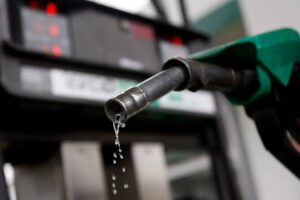
The Nigerian National Petroleum Company Limited (NNPC) has instructed petroleum marketers using its online portal to top up payments to match current fuel prices or risk losing their allocations. Marketers who cannot meet the updated ex-depot rates have the option to request refunds.
NNPC spokesman Andy Odeh explained that loading petroleum products cannot proceed at outdated rates once prices change. “Marketers must either pay the difference before lifting their products or request a refund if they prefer,” he said, adding that some refund requests are already being processed.
The Independent Petroleum Marketers Association of Nigeria (IPMAN) has urged NNPC Group Chief Executive Officer, Bayo Ojulari, to clear a backlog of pending loading tickets. Many marketers have already paid for products but remain unable to lift them due to issues with the NNPC portal.
IPMAN Publicity Secretary Chinedu Ukadike described the outstanding tickets as “sizable” and stressed the need for urgent resolution to ensure smooth operations. The association previously protested diesel price hikes at the Port Harcourt refinery, saying sudden price adjustments left members stranded after payments had been made.
Another concern is unpaid Petroleum Equalisation Fund (PEF) allocations, with marketers claiming NNPC still owes about N25 billion. While NNPC has achieved significant revenue—reportedly over N20 trillion in four months—Ukadike said unresolved PEF debts continue to affect marketers’ operations.
Odeh clarified that NNPC is not responsible for managing the PEF, which is under the Nigerian Midstream and Downstream Petroleum Regulatory Authority. The fund, initially created to ensure uniform fuel pricing nationwide, was dissolved following the deregulation of the downstream sector and removal of subsidies under the Petroleum Industry Act.
The ongoing ticket delays, price top-ups, and unpaid equalisation funds have added pressure on independent marketers, who play a key role in distributing fuel nationwide. Ukadike warned that failure to resolve these issues could disrupt fuel distribution and energy security.
In a related development, the Petroleum Products Retail Outlets Owners Association of Nigeria (PETROAN) confirmed that NNPC has engaged UOP, an international refining technology firm, to assess the Port Harcourt Refinery for potential private sector participation under a technical and equity partnership model. PETROAN praised NNPC GCEO Bayo Ojulari, describing the move as a strong step toward reviving the refinery.
The situation highlights the continuing challenges in Nigeria’s deregulated downstream oil sector, where price fluctuations, infrastructure bottlenecks, and financial constraints continue to affect fuel distribution and business operations.