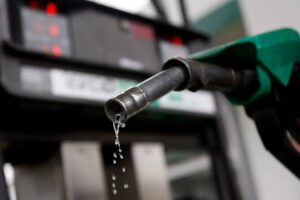
Fuel prices across Nigeria have remained high despite a recent decline in global crude oil prices, leaving many consumers disappointed.
In Lagos and surrounding areas, petrol continues to sell for over ₦1,300 per litre, even though crude prices have dropped from around $130 to $100 per barrel. The decline in crude is linked to expectations that more oil could enter the market following ongoing talks involving Iran.
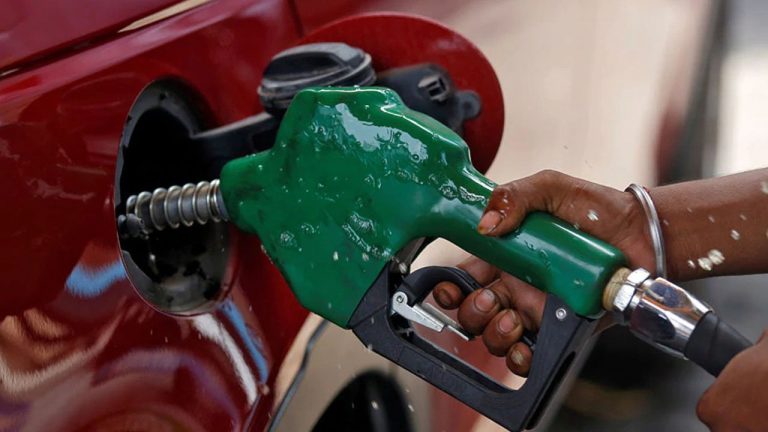
Despite this development, marketers have largely kept pump prices unchanged. Several filling stations are still selling petrol above ₦1,330 per litre, while depot prices remain slightly lower. The Dangote Petroleum Refinery is also maintaining relatively high product prices.
A similar trend is seen in Abuja, where some stations are dispensing petrol at prices as high as ₦1,370 per litre. This has raised concerns among Nigerians who expected a reduction in fuel costs.
Some industry stakeholders argue that, in a deregulated market, prices should be determined by demand and supply. However, others are calling for regulatory oversight to protect consumers from possible exploitation.
The Nigerian Midstream and Downstream Petroleum Regulatory Authority and the Federal Competition and Consumer Protection Commission have been urged to step in and ensure fair pricing.
Meanwhile, the impact of high fuel prices is being felt across the economy. Transport fares have increased significantly, with some commuters reporting about a 50 percent rise in costs. Many Nigerians say the situation is becoming increasingly difficult as living expenses continue to climb while incomes remain the same.
Experts note that global uncertainties and supply chain challenges continue to influence fuel pricing. They also highlight the need for stronger local refining capacity and better infrastructure to reduce Nigeria’s exposure to external shocks.