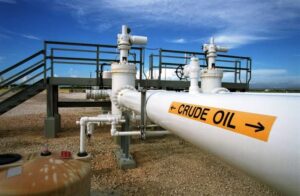
A UK court has blocked South Sudan from exporting a major crude oil shipment following a dispute over an unpaid $100 million loan. The High Court in London granted an urgent injunction on November 18, preventing the government in Juba from selling or moving a 600,000-barrel cargo scheduled to leave Port Sudan on November 27.
The legal action was initiated by UK-based energy firm BB Energy, which provided the South Sudanese government with $100 million earlier this year. The funds were intended to be repaid through oil deliveries, but the company claims South Sudan failed to honour the agreement, diverting some shipments to other buyers.
According to court filings, BB Energy sought emergency intervention to stop the further dissipation of assets tied to the outstanding loan. The injunction ensures the disputed cargo remains frozen until the case is fully heard, at which point the court will determine whether South Sudan breached the financing deal and what compensation the company may receive.
The dispute highlights South Sudan’s ongoing financial vulnerability, with oil revenues accounting for nearly all government income. Years of conflict, economic instability, and declining production have left the country heavily reliant on pre-financed oil arrangements with international traders—a system that often carries high risks and significant repayment obligations.
South Sudan’s debt extends beyond BB Energy. The country owes hundreds of millions of dollars to regional and international creditors through oil-backed loans. Among the largest lenders is the African Export–Import Bank (Afreximbank), with outstanding debt of approximately $657 million. Qatar National Bank is also a major creditor, with South Sudan having repaid only a fraction of a loan initially valued at $631 million and later restructured to $700 million.
Additional debts include a $539 million facility from UAE-based Nasdec General Trading and a $348 million loan from Sahara Energy Resources, with large portions still unpaid. Meanwhile, Juba is reportedly negotiating a massive $13 billion oil-backed loan with Dubai’s Hamad Bin Khalifa Department of Projects, raising questions about long-term debt sustainability.
The BB Energy case adds to a growing list of legal and financial challenges tied to South Sudan’s reliance on oil-backed financing, underscoring the country’s precarious fiscal position and its limited flexibility in managing future revenues.