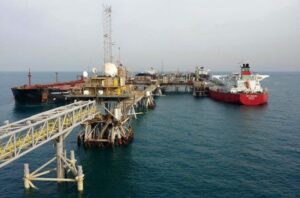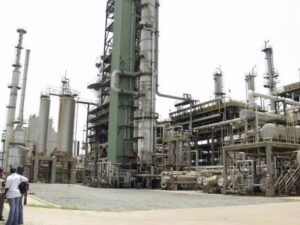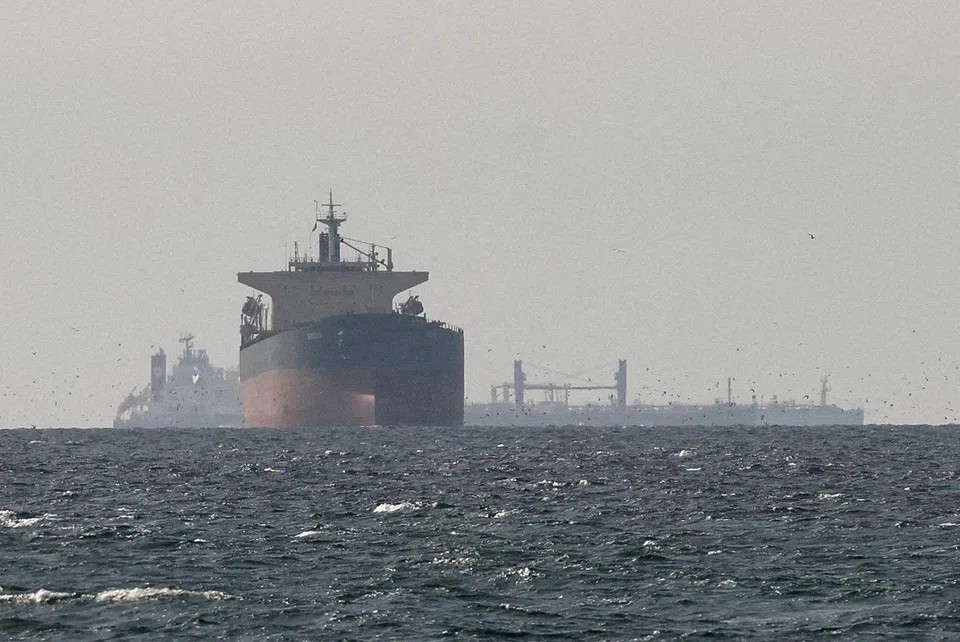
Nigeria’s crude oil exports to India have increased as Indian refiners seek alternative suppliers following disruptions to shipments through the Strait of Hormuz caused by escalating tensions in the Middle East.
According to data from commodities tracking firm Kpler, Indian refiners raised crude purchases from Nigeria, Angola, Brazil and Venezuela in April and May to reduce dependence on supplies passing through the Gulf region.
The Strait of Hormuz is one of the world’s busiest oil transit routes and is used by major Gulf producers including Iraq, Kuwait, Qatar and Bahrain. Concerns over shipping disruptions in the area have pushed buyers to diversify their supply sources.
India, one of the world’s largest crude importers, had relied heavily on Middle Eastern oil before the regional conflict intensified. However, refiners are now turning to African and Latin American producers to secure steady supplies.
Despite the shift, Russia remained India’s top crude supplier, although imports reportedly declined after maintenance work at Nayara Energy’s refinery reduced demand. The United Arab Emirates and Saudi Arabia also remained among India’s leading suppliers.
Industry analysts said Nigeria has benefited from India’s efforts to secure alternative crude sources amid uncertainty surrounding Middle Eastern exports.
Data also showed that India’s crude imports from the UAE rebounded in April, while imports from Saudi Arabia remained stable. Both countries have infrastructure that allows some exports to bypass the Strait of Hormuz.
India imported about 4.57 million barrels of crude oil per day in April, nearly unchanged from March levels but lower than volumes recorded during the same period last year.
The growing tensions in the Gulf have raised concerns over global oil supply security, with traders warning that prolonged disruptions could lead to tighter supply and higher fuel prices worldwide.
While higher crude prices have boosted revenues for oil-producing countries such as Nigeria, consumers continue to face rising energy and fuel costs.