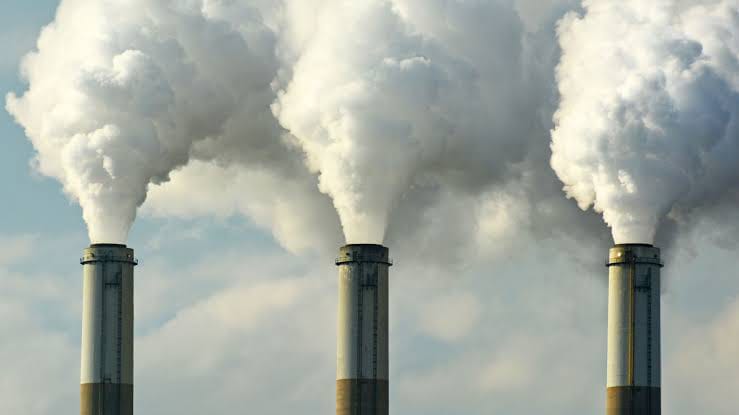
Ireland continued to depend largely on imported fossil fuels in 2025, even as renewable energy reached its highest share on record, according to new figures released by the Sustainable Energy Authority of Ireland (SEAI).
The report showed that imported energy supplied more than three-quarters of the country’s total energy demand last year, highlighting Ireland’s continued exposure to fluctuations in global energy markets.
Data from the SEAI indicated that 78.2 per cent of Ireland’s energy needs were met through imports in 2025, well above the European Union average of 57.3 per cent. Fossil fuels accounted for nearly 93 per cent of those imports, with the country relying entirely on foreign supplies of oil and coal while importing more than four-fifths of its natural gas.
The United Kingdom remained Ireland’s leading energy supplier, providing more than half of all imported energy, followed by the United States and other EU member states.
Renewable energy, however, continued to gain momentum, contributing a record 15.9 per cent of Ireland’s overall energy demand during the year. Wind energy remained the country’s largest renewable source, accounting for almost half of all renewable generation, while solar energy recorded the fastest growth, increasing by 50 per cent compared with 2024.
Other renewable technologies, including heat pumps, biomass and biofuels, also expanded their contribution, resulting in renewables making up nearly 65 per cent of all energy produced within Ireland.
The report also noted a decline in fossil fuel consumption, which fell by 4.7 per cent during the year. Coal use dropped significantly by almost 45 per cent, while overall energy demand declined by 2.2 per cent. Energy-related carbon emissions also decreased by 3.7 per cent compared with the previous year.
SEAI Chief Executive William Walsh said the continued dependence on imported fossil fuels leaves Ireland vulnerable to swings in international oil and gas prices, which can affect household energy bills, transport costs and business expenses.
He stressed that expanding wind and solar power, improving energy efficiency and reducing overall energy demand would help strengthen the country’s energy security while lowering emissions and providing more stable energy costs for consumers and businesses.