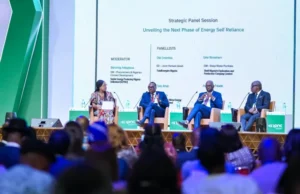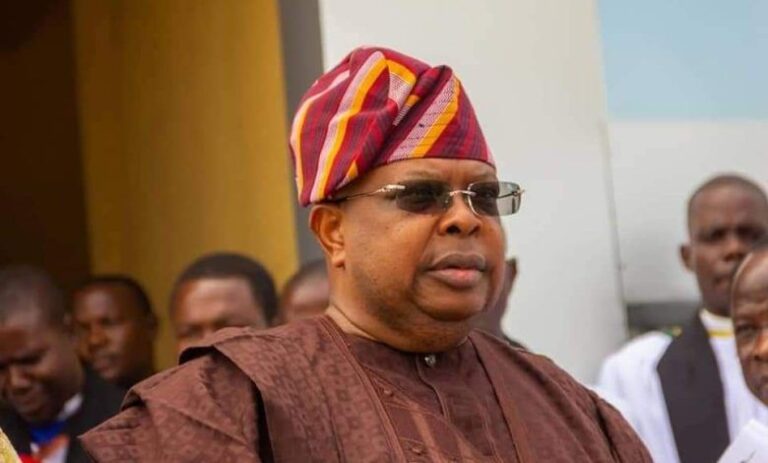
The Minister of Power, Joseph Tegbe, has launched the Nigerian pilot phase of the Africa Mini-Grid Programme, promising to take decisive steps to improve electricity supply and expand access to renewable energy across the country.
Speaking during the programme’s launch in Abuja on Thursday, Tegbe said he was prepared to make difficult decisions needed to drive reforms in the power sector, noting that his private sector experience had equipped him to handle major challenges.
He described the initiative as an important collaboration involving the Rural Electrification Agency, the United Nations Development Programme, and the Global Environment Facility, aimed at providing reliable electricity to underserved communities through renewable energy.
According to the minister, the programme is not only extending electricity access but also supporting economic activities by linking clean energy to agriculture, small businesses and rural development.
The initiative has so far delivered 23 mini-grids across different parts of Nigeria, bringing electricity to communities that previously lacked reliable power.
Managing Director and Chief Executive Officer of the Rural Electrification Agency, Abba Aliyu, said the projects demonstrate the Federal Government’s commitment to ensuring that no community is excluded from electricity access.
He noted that the benefits of the programme extend beyond power supply, saying improved electricity has increased productivity for farmers and processors, supported small businesses, created jobs and strengthened local economies.
Aliyu added that future rural electrification efforts should integrate energy access with food security, climate resilience and economic growth to achieve lasting development.
Also speaking at the event, the United Nations Resident and Humanitarian Coordinator in Nigeria, Mohamed Fall, said Nigeria has the resources and economic potential to become a leader in Africa’s transition to cleaner energy.
He explained that renewable energy projects such as mini-grids can improve essential services by powering schools, healthcare facilities, farms and businesses, while promoting economic opportunities, especially for women and young people.
The UNDP Resident Representative in Nigeria, Elsie Attafuah, described electricity as a key driver of economic development rather than just infrastructure, saying the pilot projects have shown that renewable energy can boost agricultural production, create jobs and attract investment.
She added that Nigeria has become the leading country implementing the Africa Mini-Grid Programme and said ongoing electricity sector reforms present an opportunity for states to expand renewable energy projects and strengthen local economies through greater private sector participation.