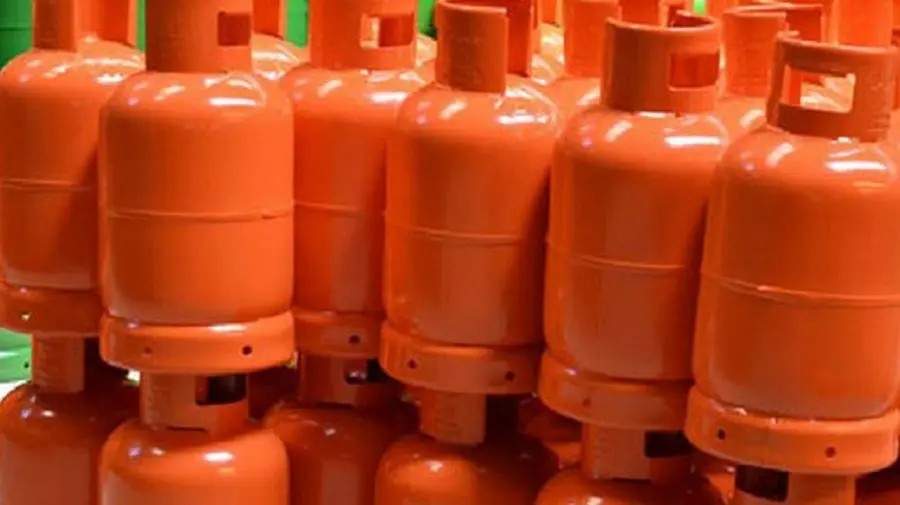
Nigeria is producing more cooking gas than ever, importing less, and yet consumers are paying more. For millions of households, that contradiction is becoming a source of real frustration.
Figures from the Nigerian Midstream and Downstream Petroleum Regulatory Authority show local output reached 4,500 tonnes per day by April 2026, covering the bulk of national demand. Over the same period, imports fell sharply from around 1,600 tonnes per day in late 2025 to just 200 tonnes by March 2026, reflecting growing contributions from domestic refineries and gas processing facilities.
The numbers suggest a market heading in the right direction. Pump prices tell a different story.
Cooking gas that sold for under N1,000 per kilogramme not long ago now costs as much as N2,000 in parts of the country. Marketers attribute the disconnect to distribution bottlenecks and patchy availability, saying the product has become difficult to source in certain local markets despite healthy national supply figures.
The Nigerian Association of Liquefied Petroleum Gas Marketers has raised the alarm, warning that the situation risks triggering wider scarcity.
Marketers are currently paying between N25.2 million and N26.2 million for 20 metric tonnes of the product, costs that filter directly down to the consumer. The association described the development as “sad and rather very pathetic” and cautioned that prolonged hardship could provoke a public backlash against gas retailers.
The fallout is already unfolding quietly in kitchens across the country. Priced out of cooking gas, many households have returned to charcoal and firewood, a reversal that threatens years of progress on clean energy adoption.
On the infrastructure front, there is cautious optimism. Three major gas pipeline projects; the Ajaokuta–Kaduna–Kano pipeline, the OB3 River Niger Crossing, and the ELPS Midline Compressor are each over 93 percent complete. Once operational, they are expected to improve how gas moves across the country and ease some of the distribution pressure driving up retail costs.
Stakeholders, however, are tempering expectations. Without structural fixes to the market itself, they warn, increased production and new pipelines may do little to bring prices down to levels ordinary Nigerians can actually afford.