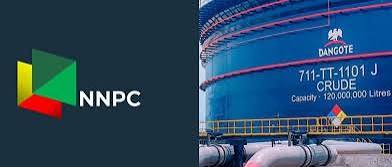
The legal battle between the Nigerian National Petroleum Company Limited and Dangote Petroleum Refinery has intensified, with the state oil company warning that restricting fuel imports could create a monopoly in Nigeria’s downstream petroleum sector.
In documents filed before the Federal High Court in Lagos, the NNPC opposed Dangote refinery’s attempt to halt the issuance of petrol import licences to marketers and oil traders.
The national oil company argued that the refinery’s products are already sold at fluctuating prices driven by commercial considerations and insisted that Nigeria still requires multiple fuel supply channels to guarantee energy security.
The dispute stems from a suit filed by the Dangote refinery challenging approvals granted by the Nigerian Midstream and Downstream Petroleum Regulatory Authority for the importation of large volumes of petrol. The refinery maintains that continued fuel imports are unnecessary because it can meet most of Nigeria’s local petrol demand.
Dangote also accused regulators and the NNPC of undermining its operations through crude supply challenges and continued importation of refined products despite the refinery’s production capacity.
However, the NNPC asked the court to dismiss the case, arguing that the suit lacked merit and amounted to an abuse of court process. The company said the refinery failed to provide independent proof that it could consistently satisfy national fuel consumption and maintain uninterrupted distribution across the country.
According to the NNPC, ensuring fuel availability involves more than refining alone, including storage, transportation, evacuation, distribution networks, and reserve management. The company warned that relying on a single supplier could expose Nigeria to shortages, supply disruptions, and price instability if refinery operations are interrupted.
The state-owned oil company also defended the continued issuance of import licences, insisting that the Petroleum Industry Act does not prohibit fuel imports and gives regulators discretionary authority to manage supply in the national interest.
Oil marketers under the Petroleum Products Retail Outlet Owners Association of Nigeria backed the NNPC’s position, saying competition is necessary to prevent price manipulation and ensure stable fuel supply nationwide.
PETROAN President Billy Gillis-Harry said the downstream sector must remain open to multiple operators to encourage competitive pricing, improve efficiency, and protect consumers from exploitation. While acknowledging Dangote refinery’s contribution to local refining capacity, he stressed that no single company should dominate the market.
On the other hand, the Crude Oil Refineries Association of Nigeria criticised continued fuel imports, arguing that local refiners have demonstrated stronger long-term commitment to Nigeria’s energy sector through massive investments in domestic refining infrastructure.
The court case marks another major confrontation between Dangote refinery and government oil agencies since the refinery began operations in Lekki. The dispute highlights growing tensions over fuel importation, local refining, competition, and implementation of the Petroleum Industry Act following the deregulation of Nigeria’s downstream petroleum sector.