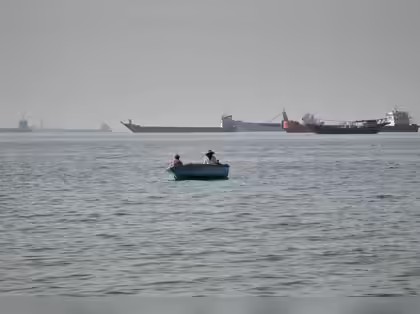
Several oil tanker operators have positioned their vessels closer to the Persian Gulf in anticipation of a possible reopening of the Strait of Hormuz, betting that freight rates could surge if shipping traffic resumes through the vital waterway.
Reports indicate that some Greek shipping companies have moved tankers to locations near India and East Africa, placing them within a few days’ sailing distance of the Gulf. The strategy is aimed at enabling vessels to quickly enter the region and capitalize on increased demand for oil transportation should exports restart after months of disruption.
Industry executives say the move reflects growing expectations that shipping activity could rebound strongly if diplomatic efforts between the United States and Iran lead to an easing of tensions. Tanker owners believe vessels positioned close to the Gulf will be well placed to secure lucrative contracts once the route becomes fully operational.
However, the approach carries financial risks. Ships waiting near the region are not generating revenue while they remain idle, whereas tankers operating on other routes are currently earning substantial daily rates.
Uncertainty also remains over when normal operations can resume. Even if a peace agreement is reached, shipowners are expected to seek assurances that the strait is safe for navigation, particularly amid concerns about potential naval mines and other security threats in the area.
Since the conflict began, shipping companies have adopted different strategies. While many operators have avoided the route, others have continued to transit the strait under special arrangements or government-backed agreements.
Some Middle Eastern shipping firms have also stationed vessels in the Indian Ocean while awaiting clearer conditions. Industry estimates suggest that dozens of tankers are currently positioned near the region, ready to return to Gulf trade routes when circumstances permit.
The Strait of Hormuz remains one of the world’s most important energy corridors, handling a significant share of global oil exports. Its eventual reopening is expected to have a major impact on tanker markets and international energy supply chains.